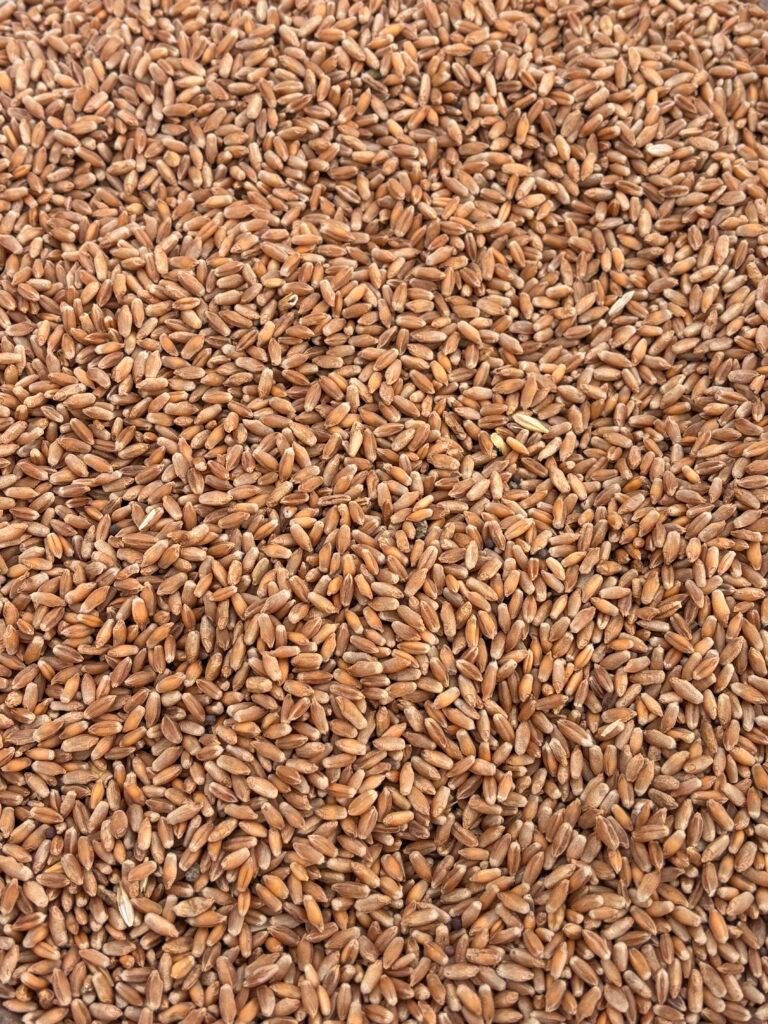
Introduction: Why Black Wheat Matters Today
In the search for healthier eating, many people look toward imported superfoods or restrictive diets. But the foundation of a balanced Indian diet has always been much simpler—and much closer to home. Daliya and pulses have nourished Indian families for generations, offering steady energy, natural protein, and digestive balance without excess.
Why Daliya Deserves a Place on Your Plate
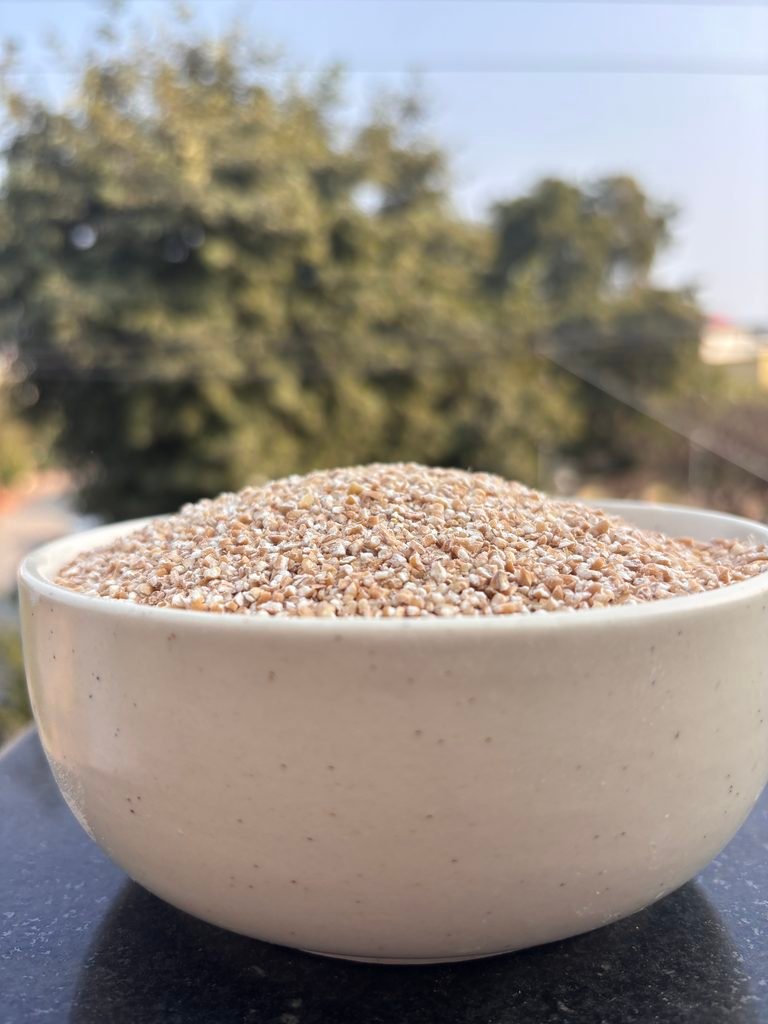
Daliya, made from broken whole wheat, is one of the most underrated yet powerful staples in Indian kitchens. Unlike refined flour or instant cereals, daliya retains the natural structure of the grain, which helps slow digestion and improve nutrient absorption.
Key Health Benefits of Daliya
- Rich in dietary fiber, supporting digestion and gut health
- Provides slow-release energy, preventing sudden hunger
- Naturally filling, making it ideal for weight-conscious meals
- Easy to digest for children, adults, and the elderly
Learn how to get more daily fiber from whole grains and pulses
Daliya fits effortlessly into Indian meals—whether as a savory vegetable dish, a khichdi-style preparation with pulses, or a light dinner option. To get the most nutritional value from your grains, explore why red wheat daliya is the smartest cereal choice for daily meals.
Pulses: The Original Indian Protein Source
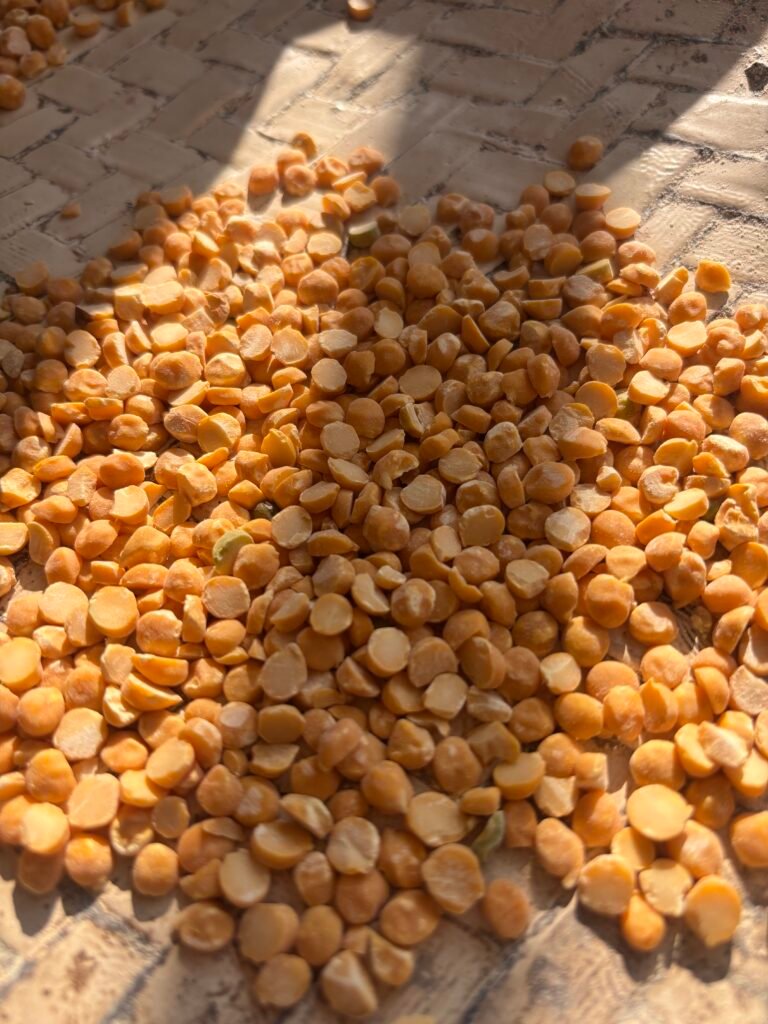
Long before protein powders and supplements became popular, Indian diets relied on pulses for daily nourishment. Chana, moong, masoor, and other dals are naturally rich in plant-based protein and fiber, making them essential for a balanced diet.
Why Pulses Matter in Daily Eating
- Main benefit of dal is that it support muscle health through natural protein
- Improve satiety and reduce frequent snacking
- Provide essential minerals like iron and folate
- Complement grains nutritionally when eaten together
When paired with daliya or rotis made from traditional wheat flours, pulses help create meals that are both satisfying and nutritionally complete.
The Power of Combining Grains and Pulses
Indian food wisdom has always emphasized balance. Combining grains and pulses ensures:
- Better protein quality
- Improved digestion
- Sustained energy levels
- Reduced reliance on refined foods
Meals like daliya-khichdi, dal with roti, or besan-based dishes are examples of naturally balanced nutrition—simple, effective, and time-tested.
How Amratahaar Supports Balanced Eating
Amratahaar’s range of daliya, pulses, gram flour, black wheat flour, red wheat flour, and multigrain atta is designed to support everyday Indian meals—not special diets.
Our approach focuses on:
- Minimal processing
- Traditional grain varieties
- Clean sourcing
- Honest nutrition without overclaims
Compared to regular refined wheat, black wheat and red wheat are naturally lower in gluten density, making them easier to digest for many households when consumed as part of a varied diet.
A Return to Simple, Sustainable Nutrition
A balanced diet doesn’t require complicated rules. It begins with choosing foods that have always worked for our bodies. Daliya and pulses are not trends—they are essentials.
At Amratahaar, we are proud to bring these everyday foods back to the center of the Indian plate—pure, honest, and rooted in tradition.
Build Your Balanced Meal Today
Ready to bring pure, unrefined staples back to your kitchen? Pair our stone-broken Red Wheat Daliya with our unpolished dals for a complete, nutrient-rich meal.
Shop Amratahaar Kathiya Gehu Daliya
Explore Amratahaar Unpolished Dals
FAQs
Does daliya have fibre?
Yes. Daliya contains dietary fibre, especially when it is made from whole wheat. Fibre can help support digestion and keep you feeling full.
Is daliya better than oats?
Neither is simply “better.” Both are nutritious whole-grain options. Daliya is a good choice if you prefer wheat or want a familiar Indian staple.
Is daliya high in protein?
Daliya contains some protein, but it is not a high-protein food by itself. Pairing it with dal, beans, curd or other protein-rich foods makes the meal more balanced.
Which dal has the most protein?
Urad dal (black gram) has the highest protein content among common Indian dals, offering about 25 to 26 grams of protein per 100 grams of raw dal.