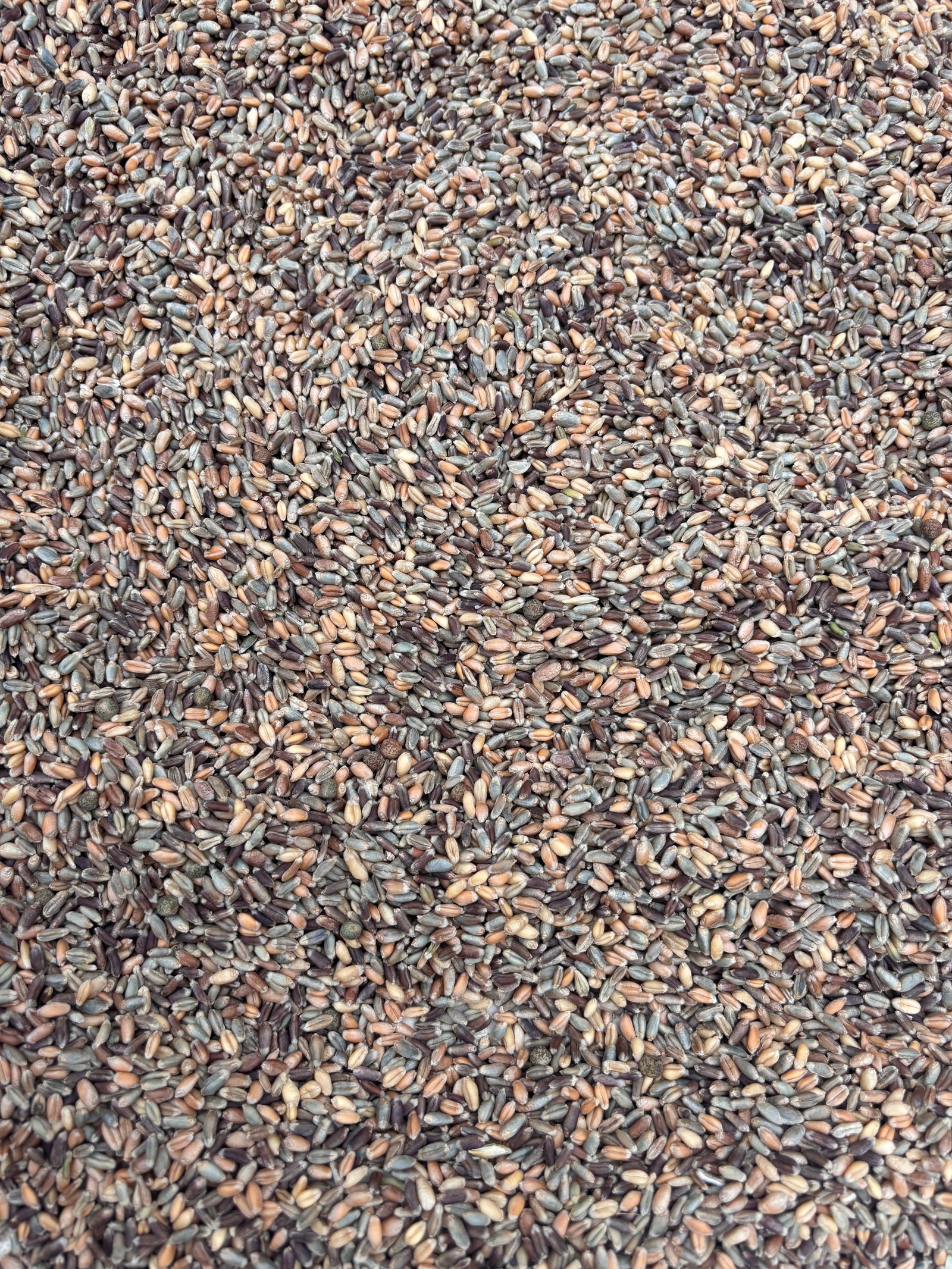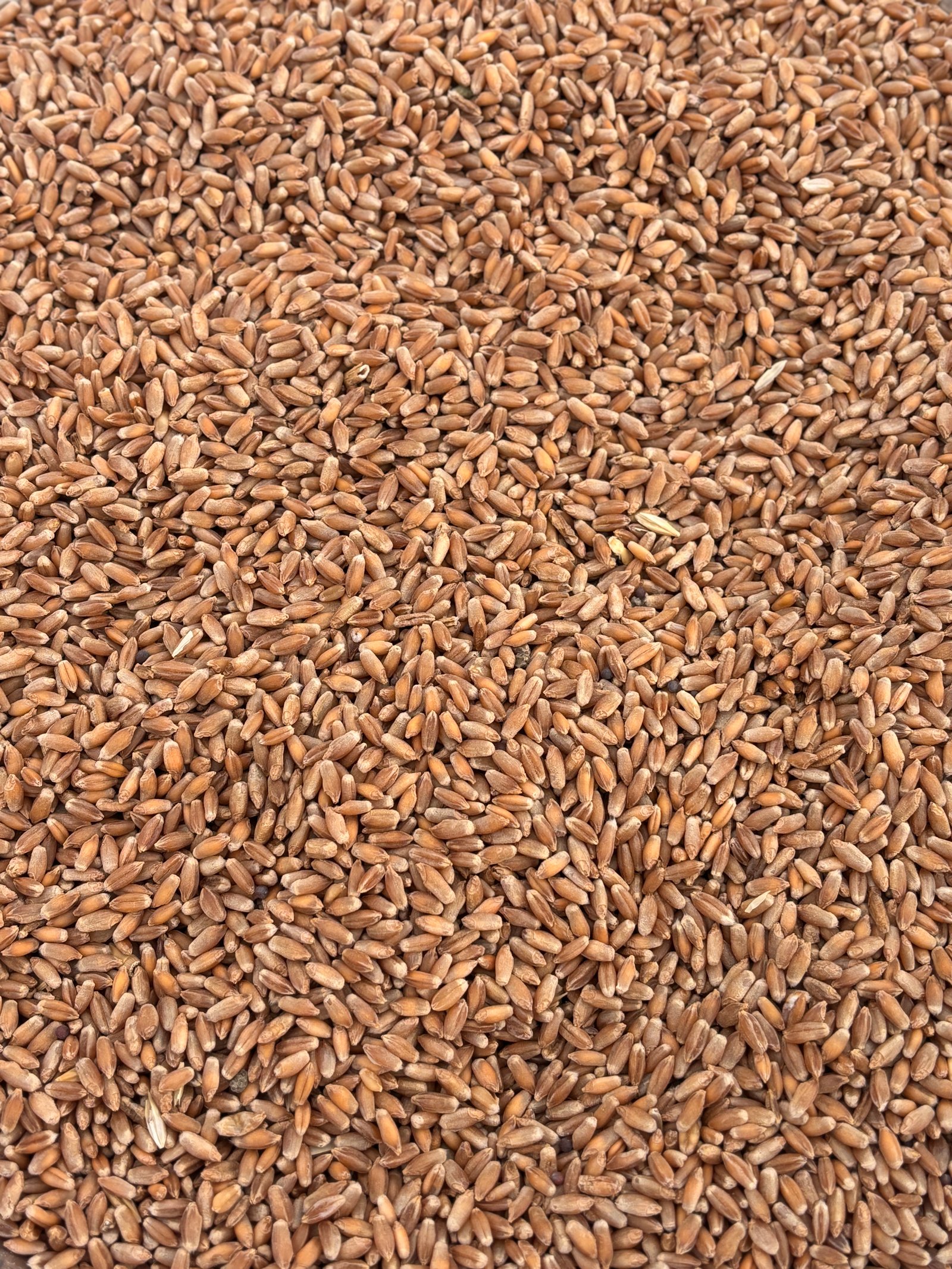
The Bundelkhand region of Uttar Pradesh has achieved a landmark victory for Indian agriculture. For the first time ever, a farm produce from this region — an indigenous wheat variety known as Kathiya Gehu — has been awarded a Geographical Indication (GI) tag by the Government of India. Read more here.
What Is the Kathiya Wheat GI Tag?
A Geographical Indication (GI) tag is an official recognition given to products that have unique qualities tied to a specific region. It is a sign of authenticity and distinct identity — much like the GI tag for Darjeeling tea or Alphonso mangoes.
On March 30, 2024, Kathiya Gehu — a traditional wheat variety from Bundelkhand — received this prestigious recognition after a careful two-year certification process led by a local farmer producer organisation with support from agricultural partners.
This is a historical moment, not just for Bundelkhand farmers but for India’s agricultural heritage as a whole.
Why Kathiya Gehu Is Special
Kathiya wheat, technically known as Triticum durum, stands out for its:
- Distinctive amber colour and texture
- Rich nutritional profile, with essential vitamins, fibre, and minerals
- Ability to thrive in harsh climates with minimal water
- Resistance to common crop stresses, making it a resilient crop in semi-arid regions like Bundelkhand
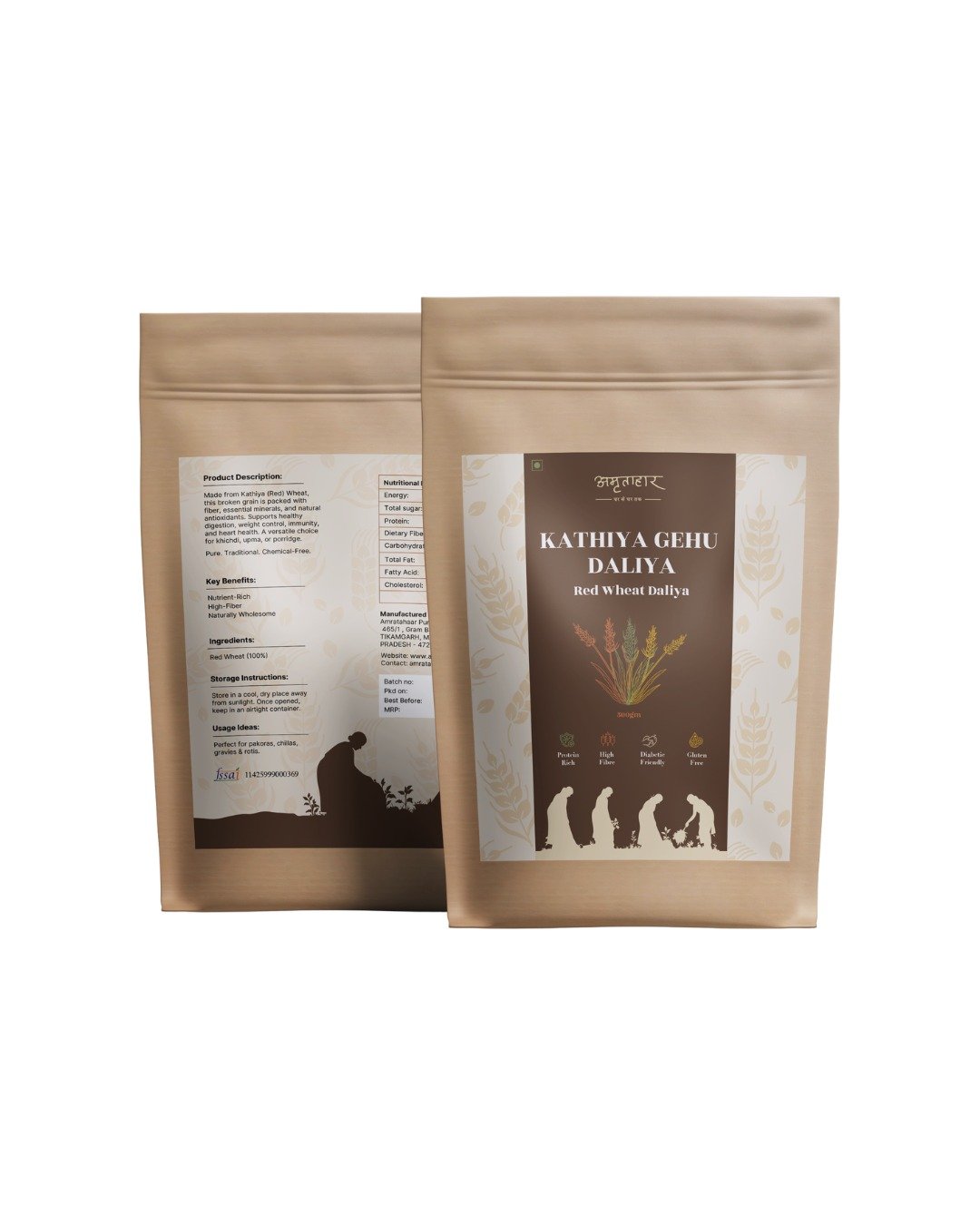
Although it accounts for only a small portion of overall wheat production, Kathiya Gehu has been part of local food culture for generations — used in porridges, traditional dishes like daliya and khichdi, and even in pasta products due to its durum characteristics.
Why This GI Tag Matters
Earning a GI tag does more than recognise a product — it helps:
- Protect traditional farming knowledge
- Boost regional pride and economic value
- Help farmers command better market visibility
- Encourage preservation of native seed varieties
For Bundelkhand — a region often challenged by water scarcity and tough growing conditions — this recognition adds fresh hope for sustainable agriculture and economic opportunity.
What This Means for Consumers
A GI tag assures consumers that a product is authentic, region-specific, and grown using traditional practices. It also brings lesser-known grains into the spotlight at a time when many people are rediscovering the value of heritage and whole grains in everyday diets.
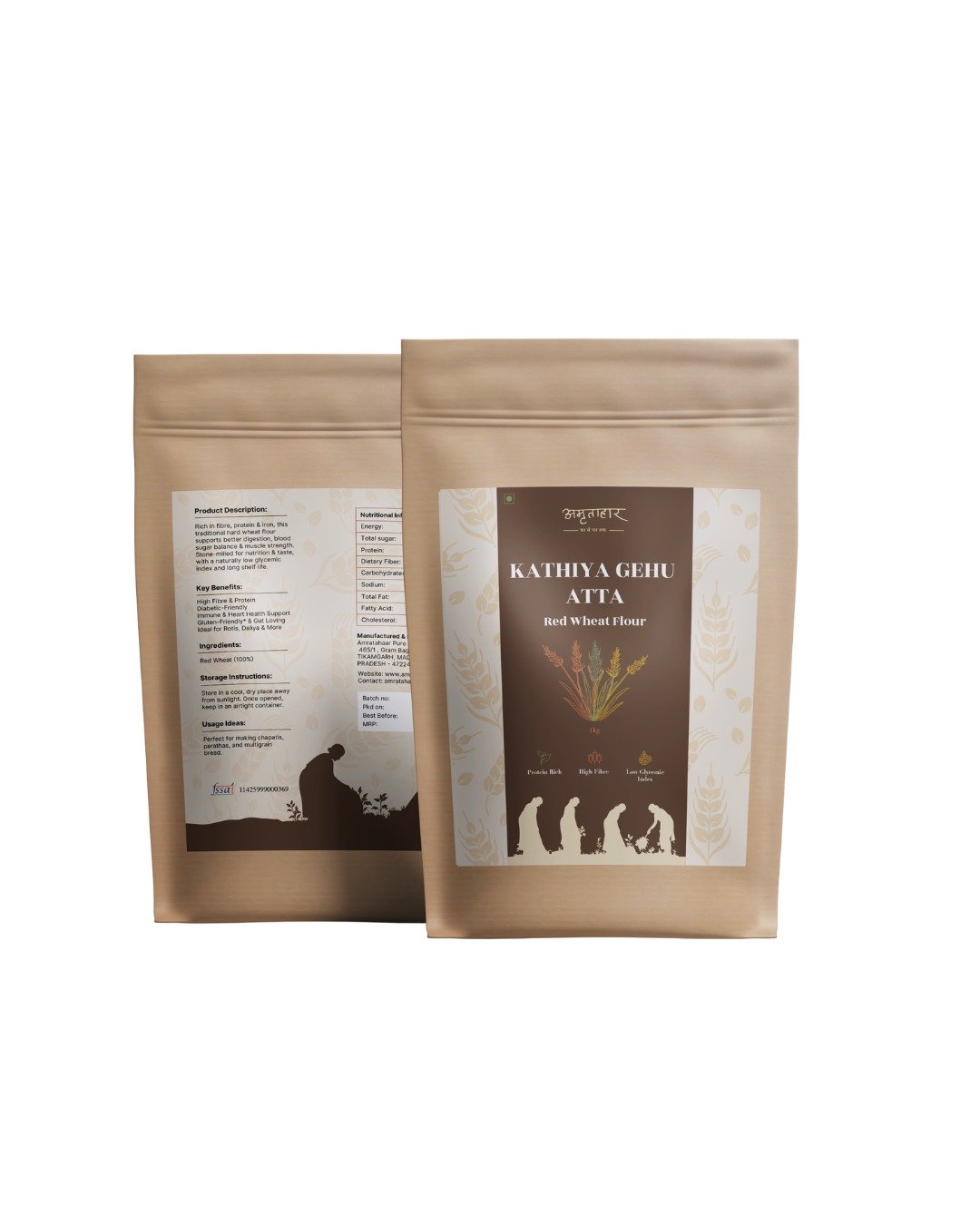
At Amratahaar, we celebrate this milestone because it resonates deeply with our own belief: that grains grown with care and respect for tradition offer nourishment that modern food systems often overlook.