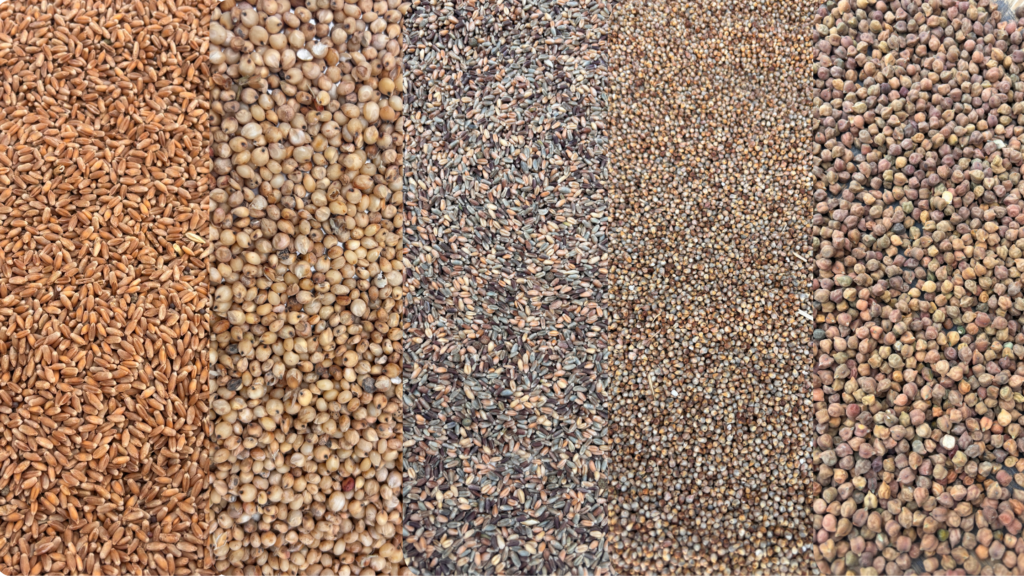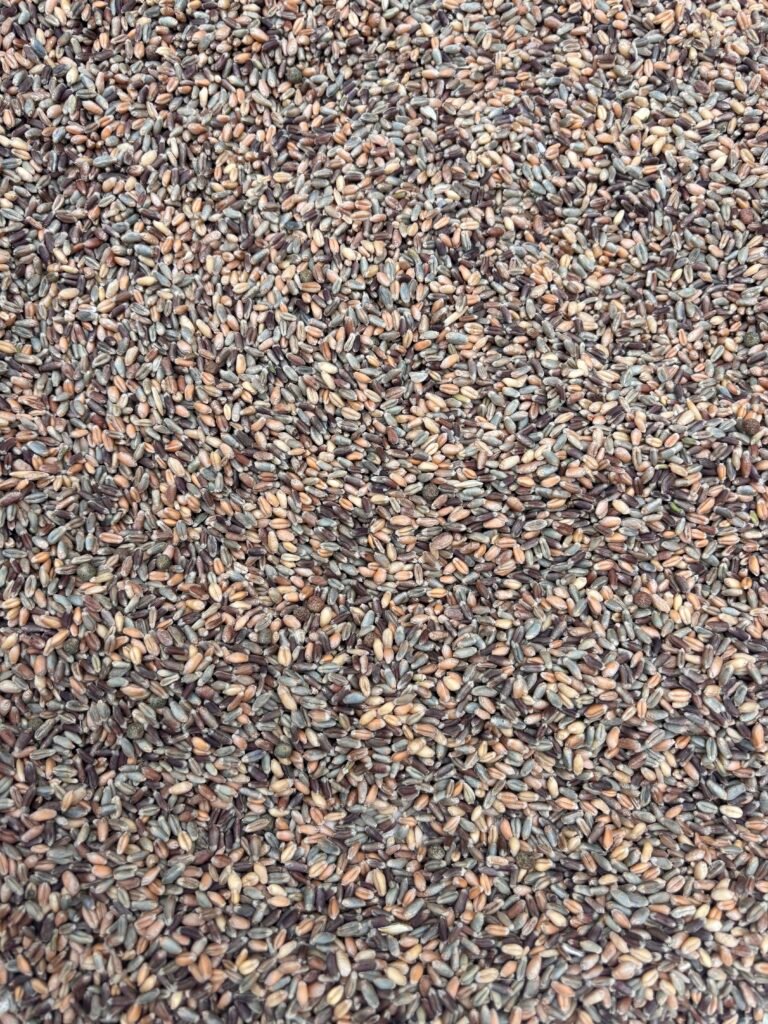
The Bundelkhand region of Uttar Pradesh has achieved a landmark victory for Indian agriculture. For the first time ever, a farm produce from this region — an indigenous wheat variety known as Kathiya Gehu — has been awarded a Geographical Indication (GI) tag by the Government of India. Read more here.
What Is the Kathiya Gehu GI Tag?
A Geographical Indication (GI) tag is an official recognition given to products that have unique qualities tied to a specific region. It is a sign of authenticity and distinct identity — much like the GI tag for Darjeeling tea or Alphonso mangoes.
On March 30, 2024, Kathiya Gehu — a traditional wheat variety from Bundelkhand — received this prestigious recognition after a careful two-year certification process led by a local farmer producer organisation with support from agricultural partners.
This is a historical moment, not just for Bundelkhand farmers but for India’s agricultural heritage as a whole.
Why Kathiya Gehu Is Special
Kathiya wheat, technically known as Triticum durum, stands out for its:
- Distinctive amber colour and texture
- Rich nutritional profile, with essential vitamins, fibre, and minerals
- Ability to thrive in harsh climates with minimal water
- Resistance to common crop stresses, making it a resilient crop in semi-arid regions like Bundelkhand
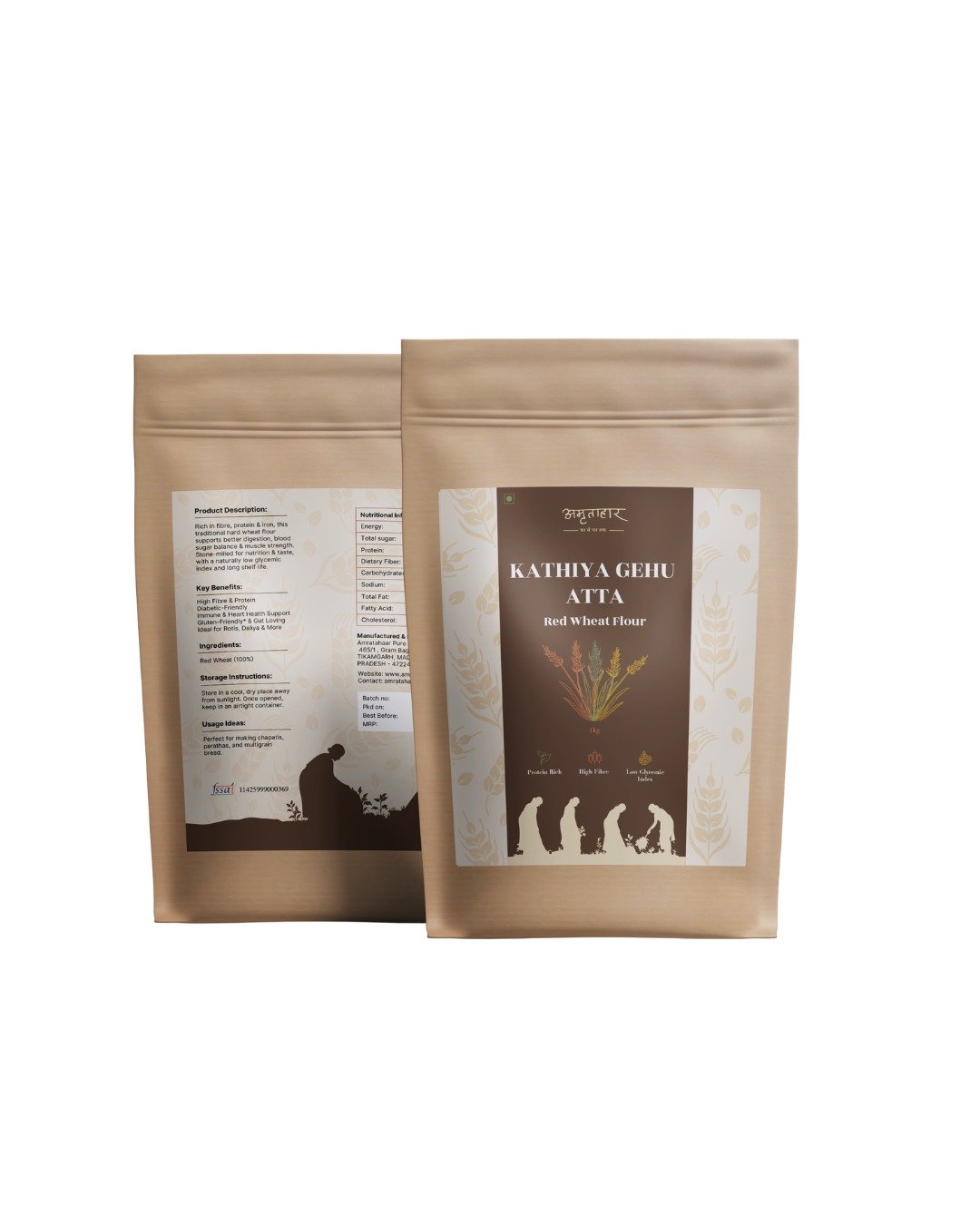
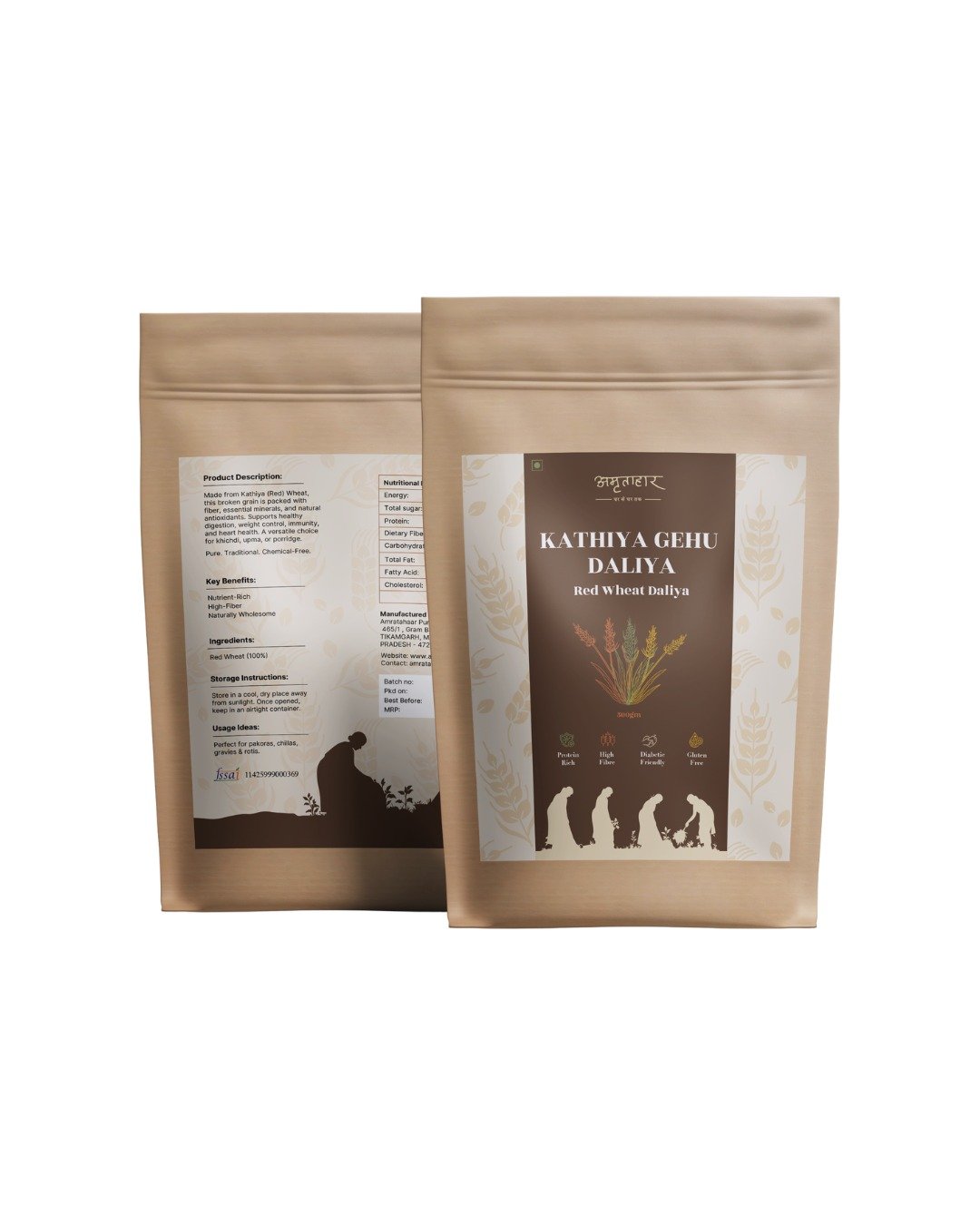
Although it accounts for only a small portion of overall wheat production, Kathiya Gehu has been part of local food culture for generations — used in porridges, traditional dishes like daliya and khichdi, and even in pasta products due to its durum characteristics. Today, red wheat flour can also be used in everyday cooking beyond these traditional preparations. If you’re looking for ideas, explore our guide on how to use red wheat flour in everyday meals.
If you’re wondering how Kathiya wheat compares with the wheat we use every day, read our guide to red wheat flour vs regular wheat flour to understand the key differences in colour, texture, nutrition, and everyday use.
Why This GI Tag Matters
Earning a GI tag does more than recognise a product — it helps:
- Protect traditional farming knowledge
- Boost regional pride and economic value
- Help farmers command better market visibility
- Encourage preservation of native seed varieties
For Bundelkhand — a region often challenged by water scarcity and tough growing conditions — this recognition adds fresh hope for sustainable agriculture and economic opportunity.
What This Means for Consumers
A GI tag assures consumers that a product is authentic, region-specific, and grown using traditional practices. It also brings lesser-known grains into the spotlight at a time when many people are rediscovering the value of heritage and whole grains in everyday diets.
At Amratahaar, we celebrate this milestone because it resonates deeply with our own belief: that grains grown with care and respect for tradition offer nourishment that modern food systems often overlook.
FAQs
When did Kathiya Gehu get the GI tag?
Kathiya Gehu received its GI registration on 30 March 2024.
What does the GI tag mean?
A GI tag shows that a product comes from a specific region and has qualities or a reputation linked to that place. It also gives the product legal protection against unauthorised use of the GI name.
Why did Kathiya Gehu get a GI tag?
Kathiya Gehu (Red wheat) received a Geographical Indication (GI) tag to honor its unique regional origin in Bundelkhand, its high nutritional value, and its exceptional climate resilience.
How is Kathiya Gehu different from normal wheat?
Kathiya Gehu is a red-coloured wheat variety traditionally grown in Bundelkhand. It is known for its higher fibre content and lower gluten properties.