Introduction: Why Multigrain Atta Matters Today
Multigrain atta is not a trend—it is a return to nutritional balance. Traditional Indian diets naturally combine cereals, millets, and pulses. This combination is also what makes multigrain atta benefits relevant to everyday nutrition, bringing different grains and nutrients together in one staple. Amratahaar’s Multigrain Atta is designed with this wisdom in mind, combining five thoughtfully chosen grains to support digestion, satiety, and everyday nourishment—without extreme dietary changes.
Understanding Multigrain Nutrition: More Than Just Mixing Grains
True multigrain nutrition is not about adding random grains. It is about:
- Diversifying fibre types
- Reducing gluten load per serving
- Improving protein–carbohydrate balance
- Supporting digestive comfort
Amratahaar’s Multigrain Atta combines:
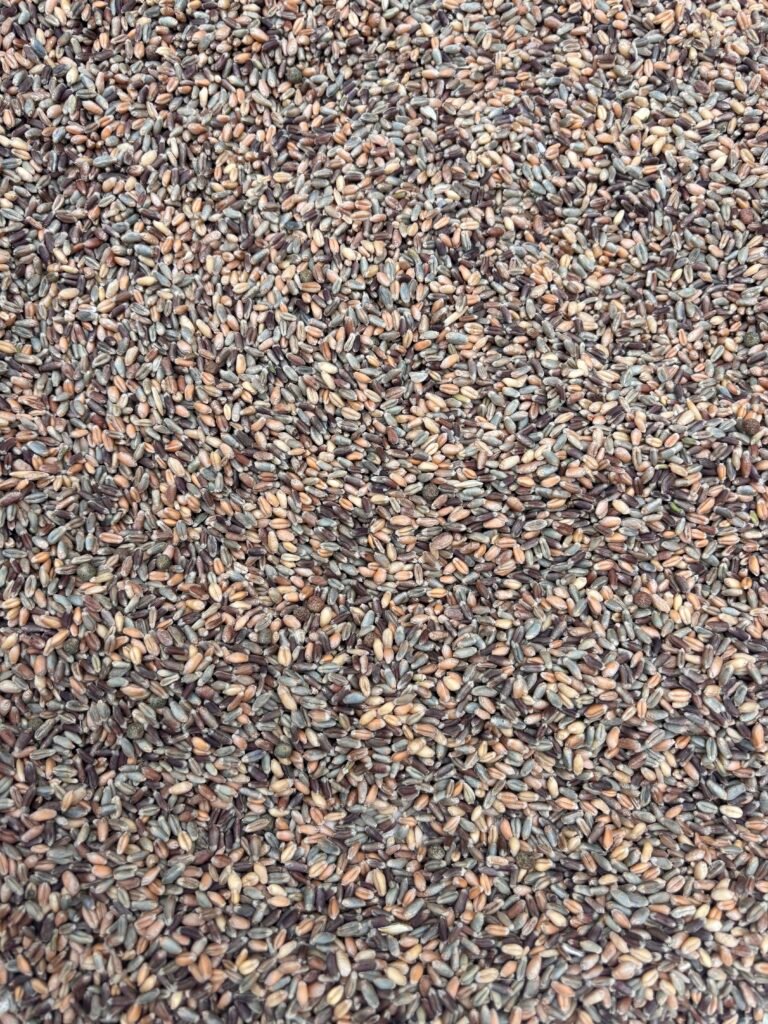
- Black Wheat
- Red Wheat
- Bajra (millet)
- Jawar (regional millet variant)
- Chana (Gram)
Each grain plays a specific nutritional role.
Grain 1: Black Wheat — Fibre-Rich, Lower-Gluten Foundation
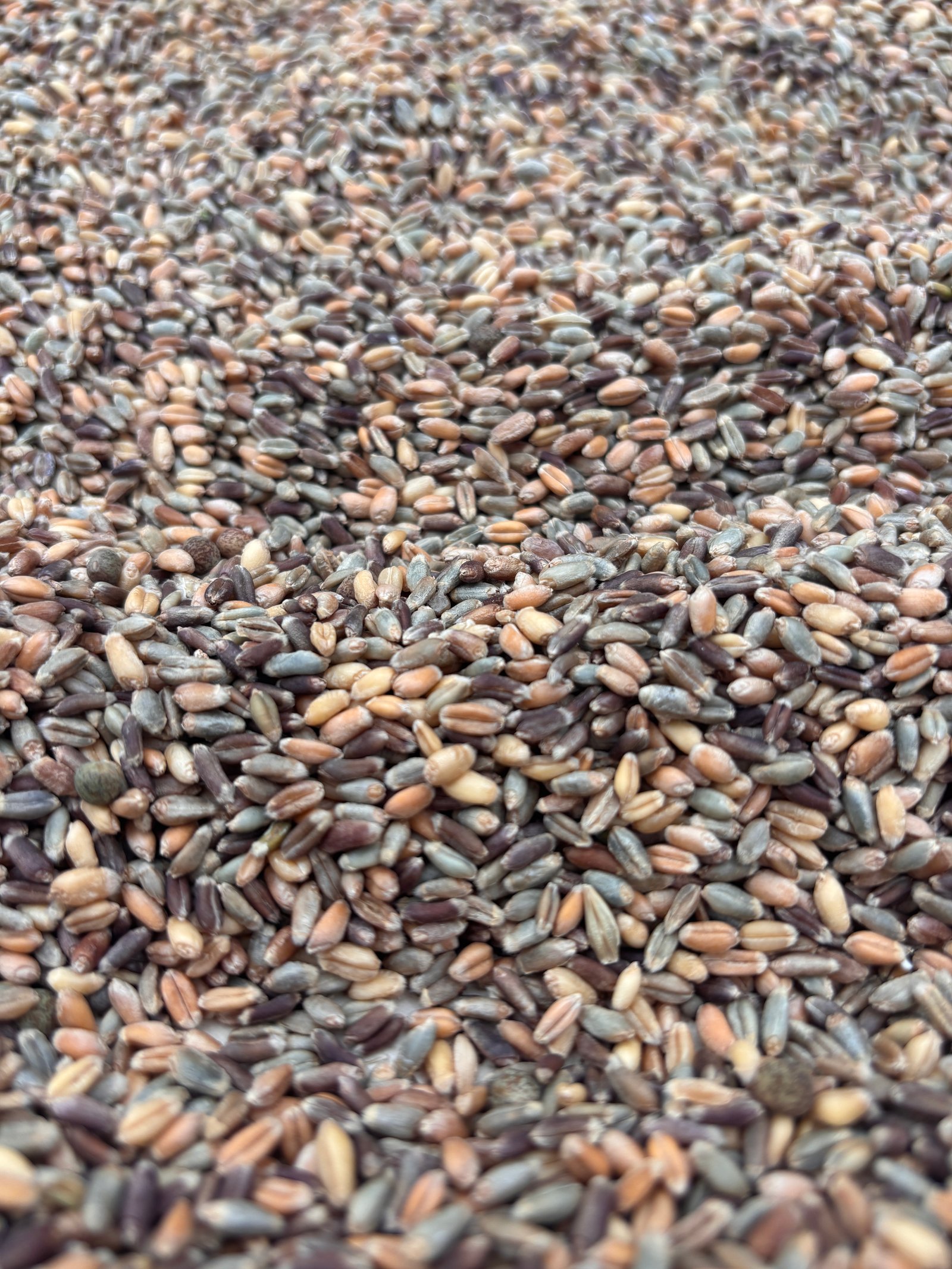
Black wheat is a wheat variety known for its dark bran layer, which contains natural plant pigments and higher fibre. Unlike modern white wheat bred for yield, black wheat retains a more intact grain structure.
Nutritional Benefits of Black Wheat
- Higher dietary fibre due to intact bran
- Complex carbohydrates that digest slowly
- Naturally lower gluten density compared to regular white wheat
Lower gluten density means the gluten network formed during cooking is less elastic and heavy, which many people find easier to digest.
In multigrain atta, black wheat forms a strong yet balanced base—providing structure for rotis while reducing overall gluten load.
Grain 2: Red Wheat — Traditional Strength with Digestive Ease
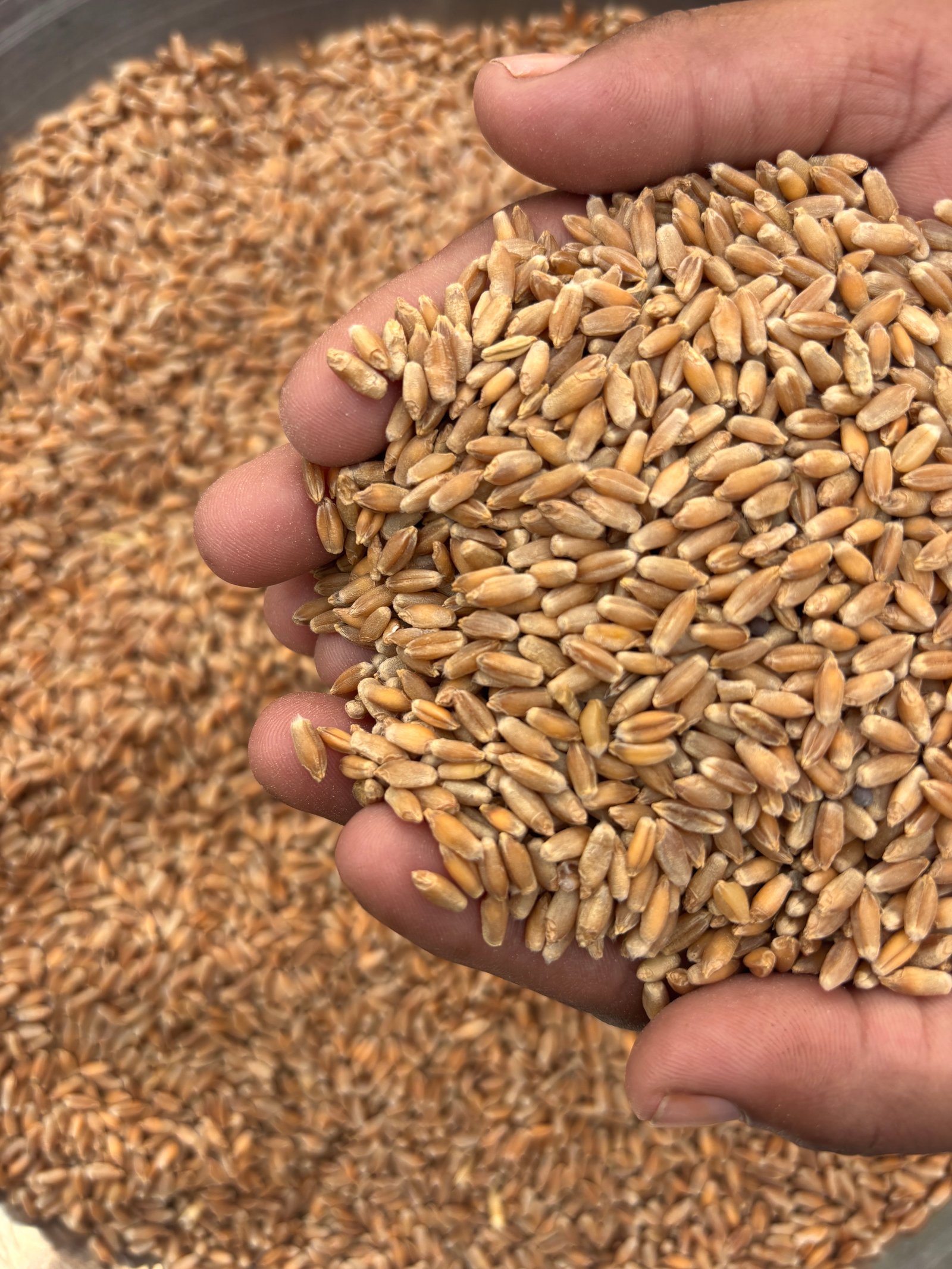
Red wheat is an indigenous Indian wheat variety from Bundelkhand with a harder grain and denser bran. Traditionally consumed for generations, red wheat was a staple before refined flours became mainstream.
Nutritional Role of Red Wheat
- Rich in insoluble fibre, supporting gut movement
- Provides plant-based protein for daily nourishment
- Naturally lower gluten elasticity than modern wheat
Red wheat contributes firmness to rotis without the excessive chewiness often associated with high-gluten flours. In a multigrain blend, it enhances texture while supporting digestion.
Grain 3: Pearl Millet— A Naturally Gluten-Free Millet
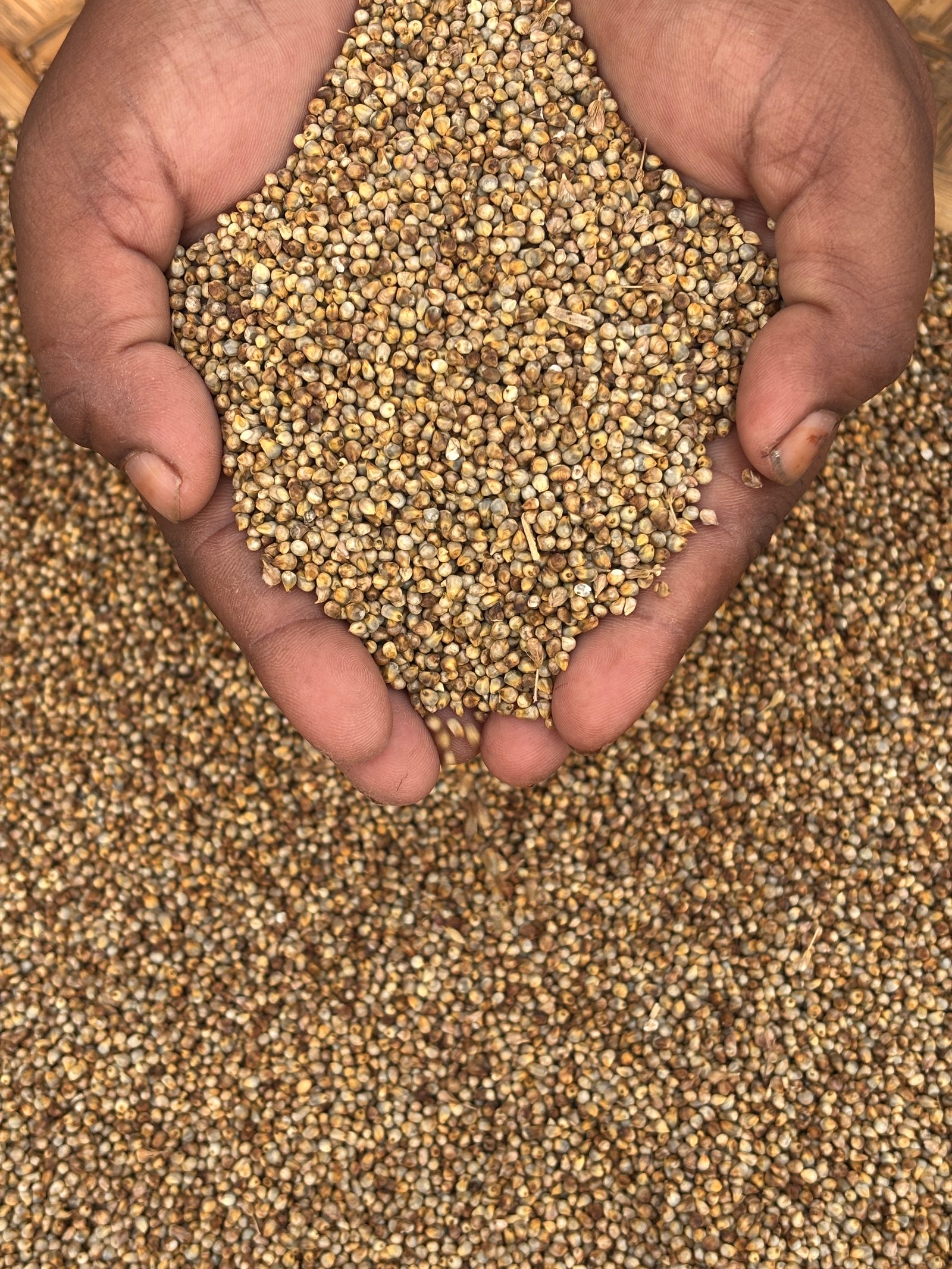
Pearl millet (Bajra) is a highly nutritious, gluten-free grain rich in fiber, iron, magnesium, and antioxidants.
Nutritional Benefits of Sorghum
- Manages Diabetes:
- Promotes Heart Health
- Strengthens Bones
By including Bajra, Amratahaar’s Multigrain Atta significantly lowers the overall gluten load per roti, making daily meals feel lighter.
Grain 4: Jowar (Sorghum) — Mineral Diversity and Dietary Balance
Jowar/Jundi (regional millet variant) adds nutritional diversity to the flour. Jowar is a highly nutritious, gluten-free millet packed with fiber, protein, iron, and magnesium, making it an excellent, healthy alternative to wheat.
Nutritional Contribution of Jawar
- Supports Weight Loss
- Manages Diabetes
- Enhances Energy Levels
Jowar helps prevent nutritional monotony and brings balance to wheat-heavy diets. By adding Jowar Amratahaar’s Multigrain Atta significantly lowers the overall gluten load per roti, making daily meals feel lighter.
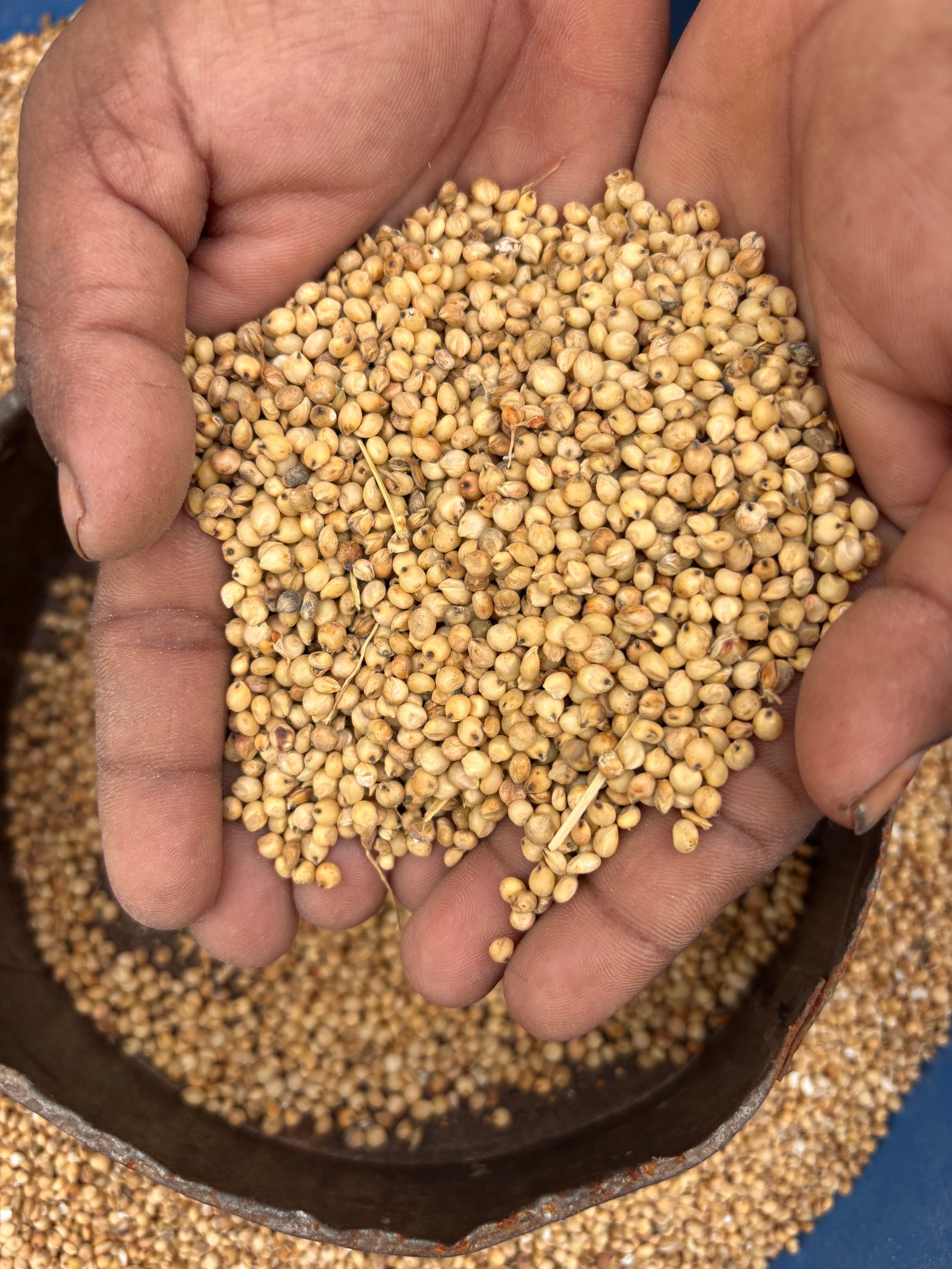
Grain 5: Chana (Gram) — Plant Protein That Completes the Blend
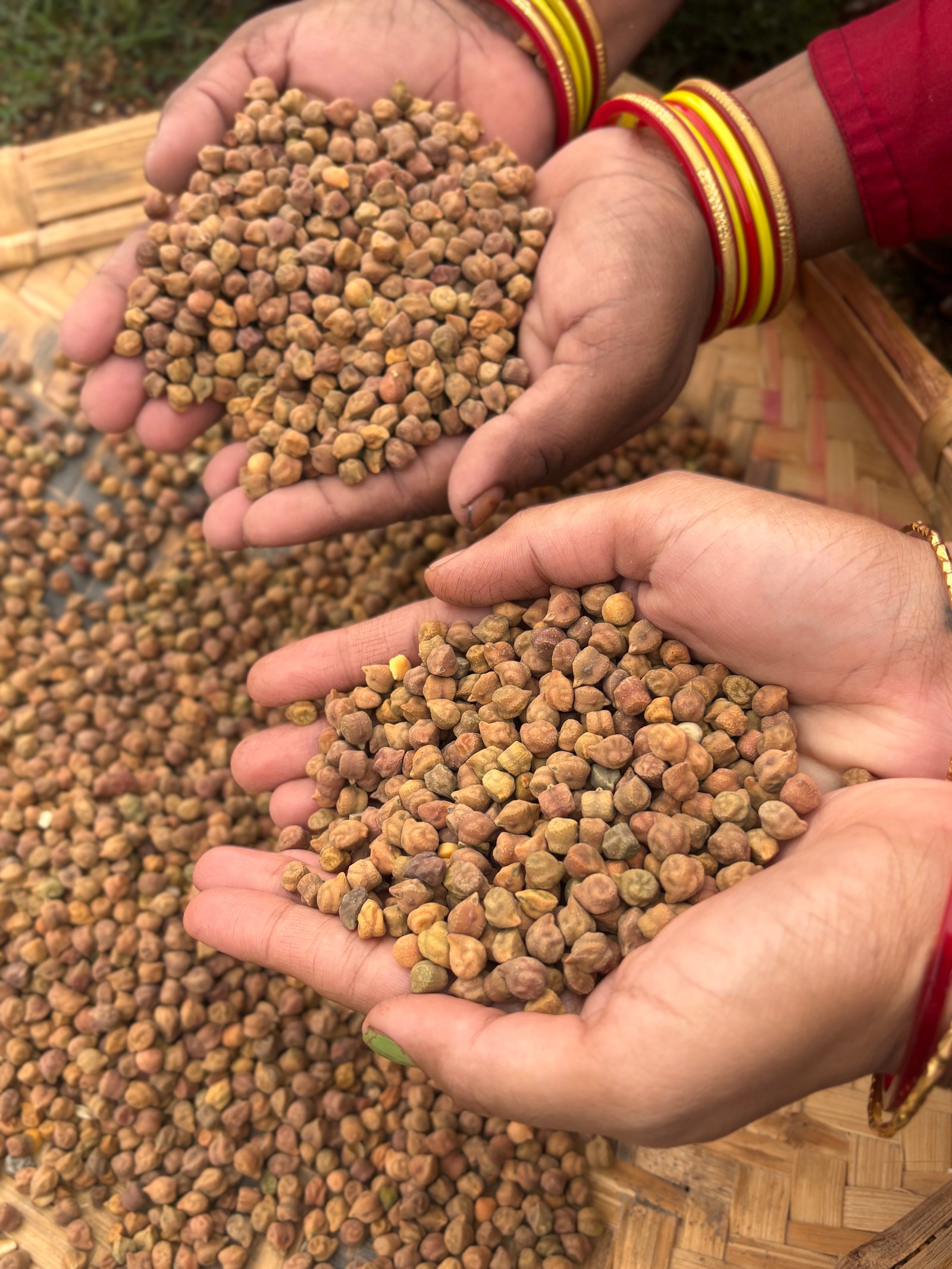
Chana, or gram, is a pulse rather than a grain—but its inclusion is intentional. Wheat and millets are carbohydrate-rich; pulses help balance the macronutrient profile.
Nutritional Power of Chana
- High in plant-based protein
- Rich in dietary fibre
- Helps slow carbohydrate digestion
Chana improves satiety, supports muscle maintenance, and enhances the nutritional completeness of multigrain atta.
Why These Five Grains Together Create a “Super Flour”
When combined thoughtfully, these grains work synergistically:
1. Reduced Gluten Load
- Black & red wheat are lower-gluten than modern wheat
- Sorghum and jawar are gluten-free
- Result: lighter digestion per roti
2. Multiple Fibre Types
- By combining different grains and pulses, you get a natural balance of soluble and insoluble fiber that supports gut health and keeps you full longer.
- For a deeper look at daily requirements, explore our complete guide on meeting your daily fiber needs through traditional Indian meals.
3. Better Protein–Carbohydrate Balance
- Chana adds plant protein
- Prevents rapid carbohydrate spikes
4. Improved Satiety & Portion Control
- Meals feel filling for longer
- Helps reduce overeating naturally
5. Nutritional Diversity Without Drastic Change
- Same roti format
- Better nutrition, same comfort food
How Multigrain Atta Supports Everyday Health
Regular consumption of diverse grains supports:
- Digestive comfort
- Steady energy levels
- Reduced heaviness after meals
Multigrain atta is not about restriction—it’s about making everyday food work better for the body.
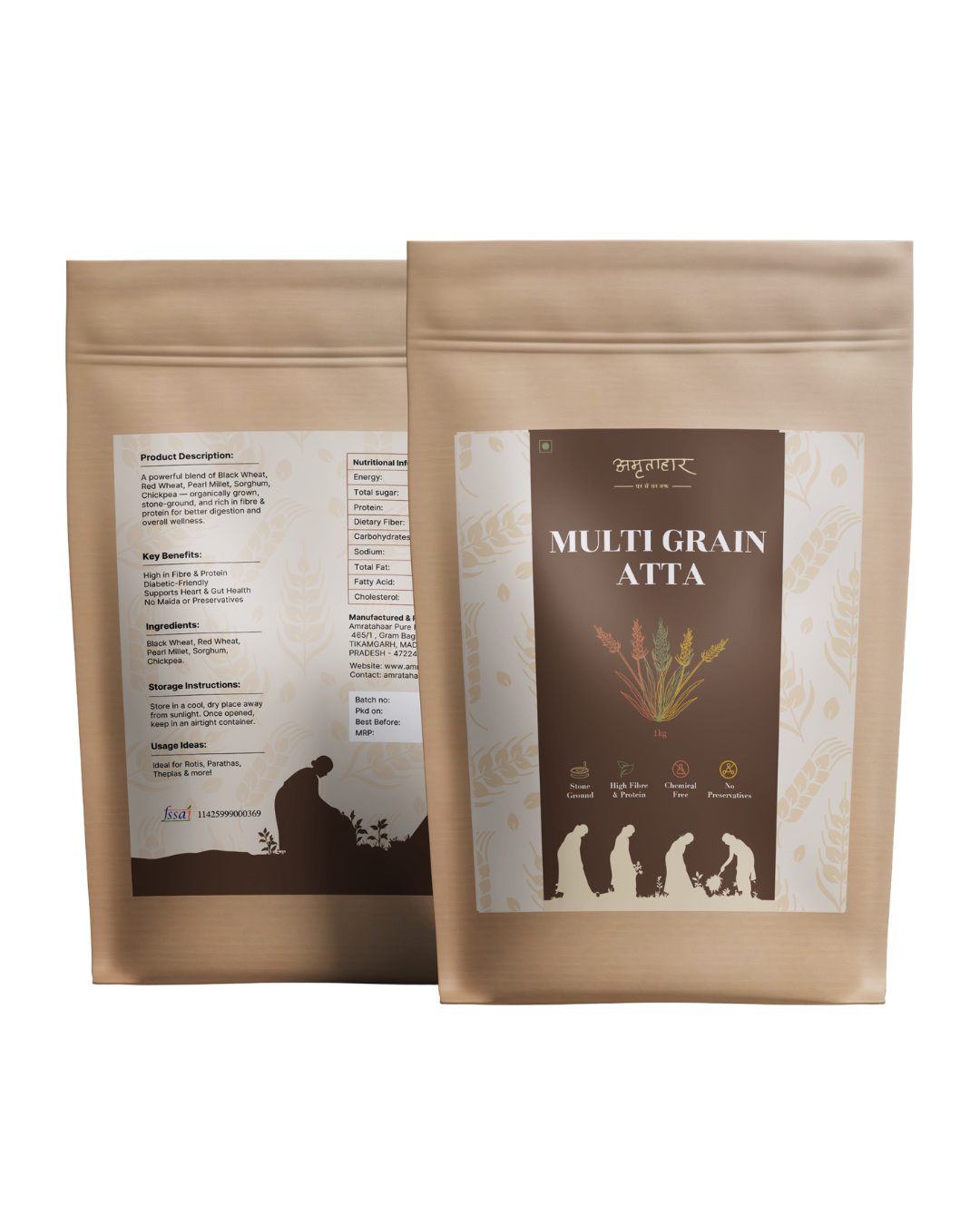
How to Use Amratahaar’s Multigrain Atta
- Ideal for daily rotis and parathas
- Works well for soft flatbreads when kneaded properly
- Pairs best with pulses, vegetables, and curd-based meals
Tip: Allow dough to rest longer to let fibres hydrate fully.
Conclusion: Returning to Balance Through Thoughtful Grains
Amratahaar’s Multigrain Atta is designed for families who want better everyday nutrition without abandoning traditional meals. By combining black wheat, red wheat, sorghum, jawar, and chana, it creates a flour that supports digestion, satiety, and long-term balance.
This is not a diet product—it is food made the way it was meant to nourish.
Shop Amratahaar 5-Grain Multigrain Atta
FAQs
Is multigrain atta better than wheat atta?
It can be. Multigrain atta combines more than one grain, so it can offer a wider range of nutrients than atta made from just wheat. It depends on which grains are used.
Does multigrain atta have more fibre?
It can. Grains like bajra, jowar and chana can add fibre to the blend. The actual amount depends on the grains and their proportions.
Is multigrain atta high in protein?
It can have more protein than regular wheat atta, especially when protein-rich grains or pulses are included. The exact amount depends on the blend.
Which multigrain atta is best?
Choose one that uses whole grains and clearly lists its ingredients. Also check the fibre and protein content rather than choosing only by the “multigrain” label.