Iron Deficiency Is Common in India
Low iron is one of the most common nutrition problems in India, especially for women. Most people are told to simply eat more green vegetables. But that’s only part of the answer. Many everyday foods already sitting in Indian kitchens — grains, pulses, and seeds — can give you good amounts of iron too. Eating the right foods together also matters, not just eating more of one thing.
Why Plant-Based Iron Needs a Little Help
Iron from plant foods is not absorbed by the body as easily as iron from meat or eggs. This doesn’t mean plant foods are a poor source of iron — it just means they work best when paired the right way, which we’ll cover below. So instead of relying on just one “iron-rich” food, it helps to eat a mix of good sources, along with foods that help your body absorb that iron better.
Iron-Rich Foods Already in Your Kitchen
Sesame Seeds (Til)
Sesame seeds are one of the best plant sources of iron in Indian cooking. Add a spoonful to chutneys, ladoos, or sprinkle over sabzis for an easy iron boost.
Chana (Bengal Gram)
Chana is a simple, everyday source of iron, along with good protein and fibre. You can eat it as a curry, in chaat, roasted as a snack, or ground into flour as sattu — one of India’s oldest iron-and-protein drinks.
Millets — Bajra and Jowar
Bajra (pearl millet) has more iron than regular wheat, which is why it’s been a daily staple in states like Rajasthan and Gujarat for generations. Jowar (sorghum) adds more fibre and minerals alongside it. Both are easy to add to your daily roti.
Dates and Raisins
A small handful of dates or raisins gives you a good iron boost, along with natural sweetness. Easy to add to breakfast, ladoos, or a quick snack.
Whole Wheat, (When kept Whole)
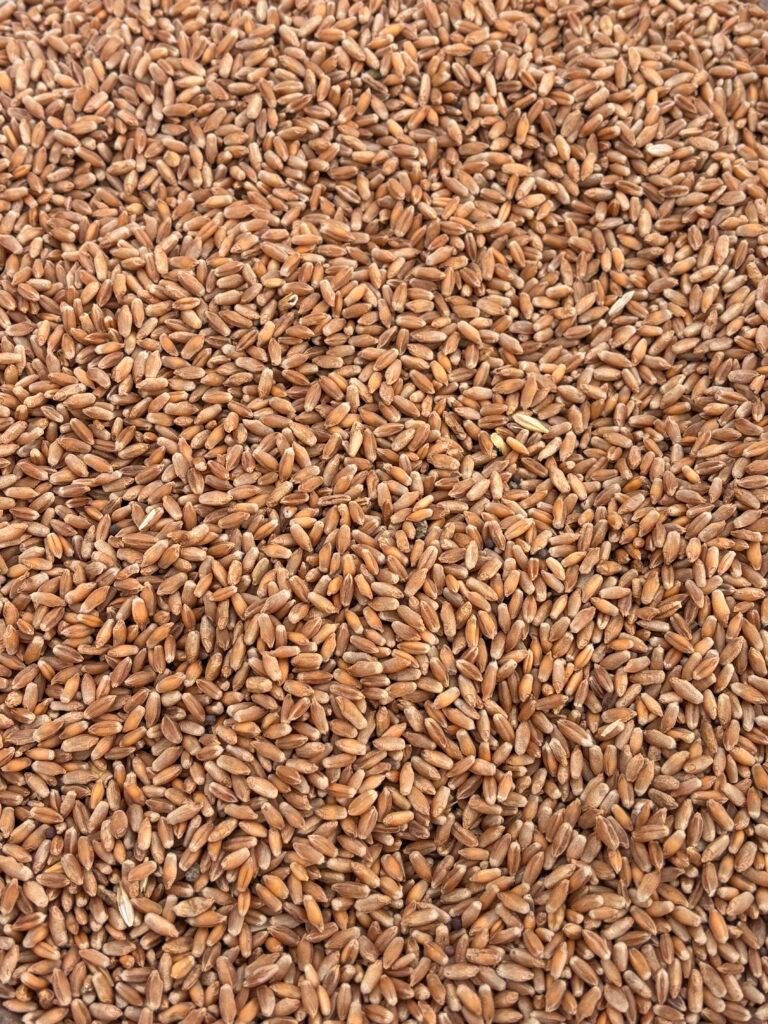
Wheat does contain iron, but most of it sits in the bran and germ — the outer layers that get removed when wheat is heavily refined. This is one more reason why whole, stone-ground wheat holds on to more of its natural nutrition, iron included.
One Simple Habit That Helps More Than You’d Think
How you eat these foods matters as much as what you eat. Vitamin C helps your body absorb iron better, so a squeeze of lemon on dal, some achar, or a tomato-based curry alongside your meal can make a real difference.
On the other hand, tea and coffee can block iron absorption if you drink them too close to a meal. A simple habit, waiting about an hour after eating before your chai, can help your body absorb more iron from the same food.
Building an Iron-Rich Plate, the Traditional Way
You don’t need supplements or imported “superfoods” for this. A regular Indian thali — chana or rajma curry, a millet or whole wheat roti, a squeeze of lemon or achar, and some sesame on the side — was already doing this job long before “iron-rich diet” became a trend.
At Amratahaar, this is exactly the kind of everyday nutrition we care about. Our Chana Sattu turns roasted Bengal gram into a simple protein-and-iron drink, and our Multigrain Atta combines bajra, jowar, and chana with black and red wheat — so your daily roti does more for you, without changing how you cook.
Conclusion: Iron Is Already in Your Kitchen
Sesame, chana, millets and whole wheat are all sitting quietly in traditional Indian kitchens – often overlooked simply because they’re so familiar. Eating a mix of these, and pairing them with vitamin C instead of tea, is a simple, effective way to get more iron from your everyday meals.