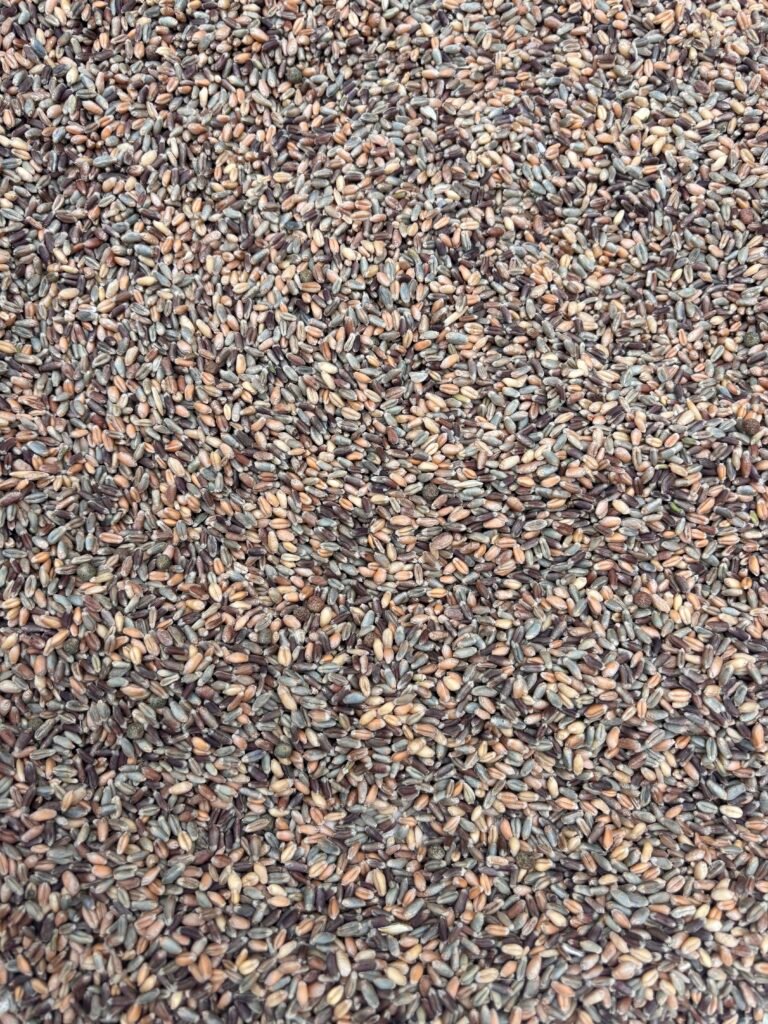
When we buy flour, most of us focus on the grain—wheat, multigrain, black wheat, red wheat, or millet blends. But there is another factor that matters just as much: how the flour is milled. The milling process affects texture, taste, freshness, baking performance, and in some cases, how much of the grain’s natural character remains in the final flour.
Today, the two most common methods are stone grinding and roller milling. Both can produce flour, but they do so in very different ways. If you are trying to choose better everyday staples for your family, understanding this difference between stone ground and roller milled flour can help you make a smarter decision.
At Amratahaar, we believe great flour starts with great grain—and the right milling method to respect that grain.
What Is Stone-Ground Flour?
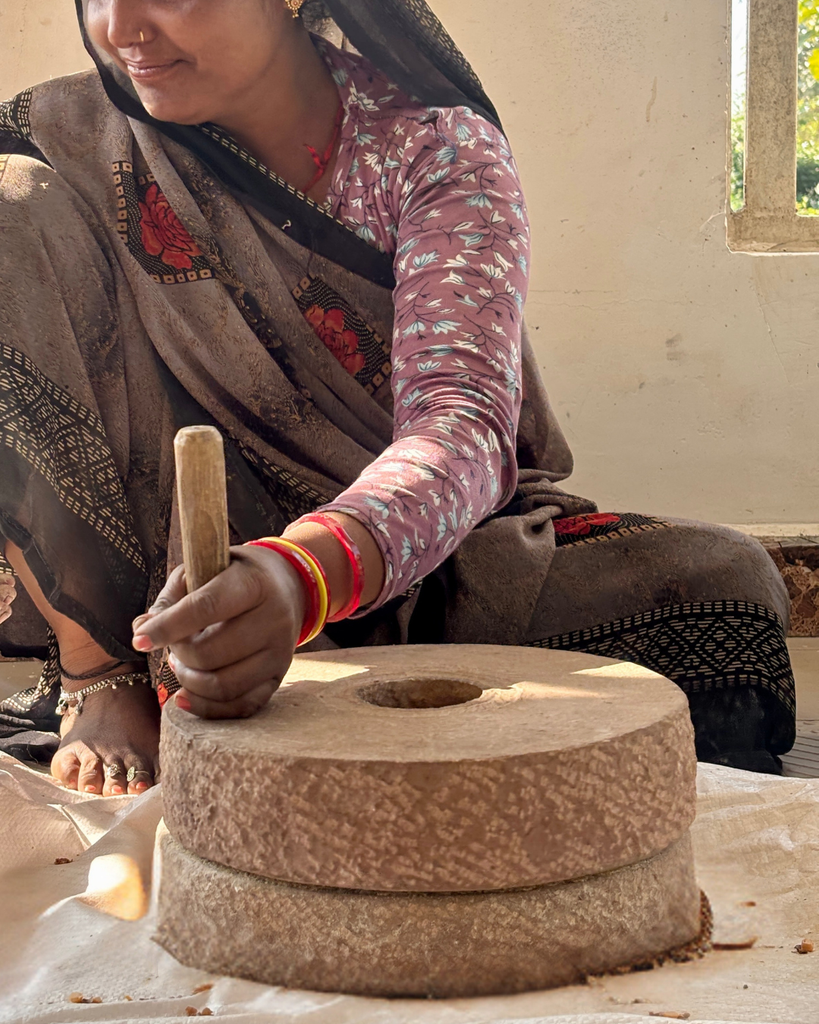
Stone-ground flour is made by grinding grains between large stones or stone-coated grinding surfaces. This is one of the oldest flour-making methods and is still valued today for producing flour with a more natural texture and fuller grain character. Stone milling can process the grain as a whole, meaning bran, germ, and endosperm remain together in the flour.
Because the grain is ground more traditionally, stone-ground flour often has:
- A richer aroma
- More robust flavour
- Slightly coarser texture
- A wholesome, hearty feel in dough and rotis
This is why many artisanal bakers and conscious home cooks prefer stone-ground flour.
What Is Roller-Milled Flour?
Roller milling is the modern industrial method used by large-scale flour mills. In this system, wheat passes through a series of steel rollers that crush and separate the grain into parts. The endosperm (starchy inner portion) is usually separated from bran and germ, then milled into very fine flour. Depending on the product, some components may later be blended back in.
Roller milling is popular because it offers:
- High production efficiency
- Very fine, uniform texture
- Long shelf life
- Consistency across large batches
This makes it ideal for mass-market flour production.
Difference Between Stone Ground and Roller Milled Flour
| Comparison Factor | Stone-Ground Flour | Roller-Milled Flour |
| Milling Process | Grains crushed slowly between natural stones | Crushed & separated rapidly via steel rollers |
| Grain Integrity | Retains bran, germ, and natural oils together | Separates bran and germ from the endosperm |
| Nutrient Retention | Higher retention of natural vitamins and fiber | Lower natural nutrients (unless artificially enriched) |
| Texture & Taste | Slightly coarse, rustic texture with a rich, nutty flavor | Smooth, ultra-fine, and neutral tasting |
| Freshness & Shelf Life | Best consumed fresh (contains active natural oils) | Longer shelf stability for mass distribution |
The milling process is only half the equation – the grain you choose completes it. Compare how stone-ground regular flour, black wheat, red wheat, and multigrain blends stack up side by side to find the perfect nutrient-dense option for your kitchen.
1. Nutrition & Whole Grain Integrity
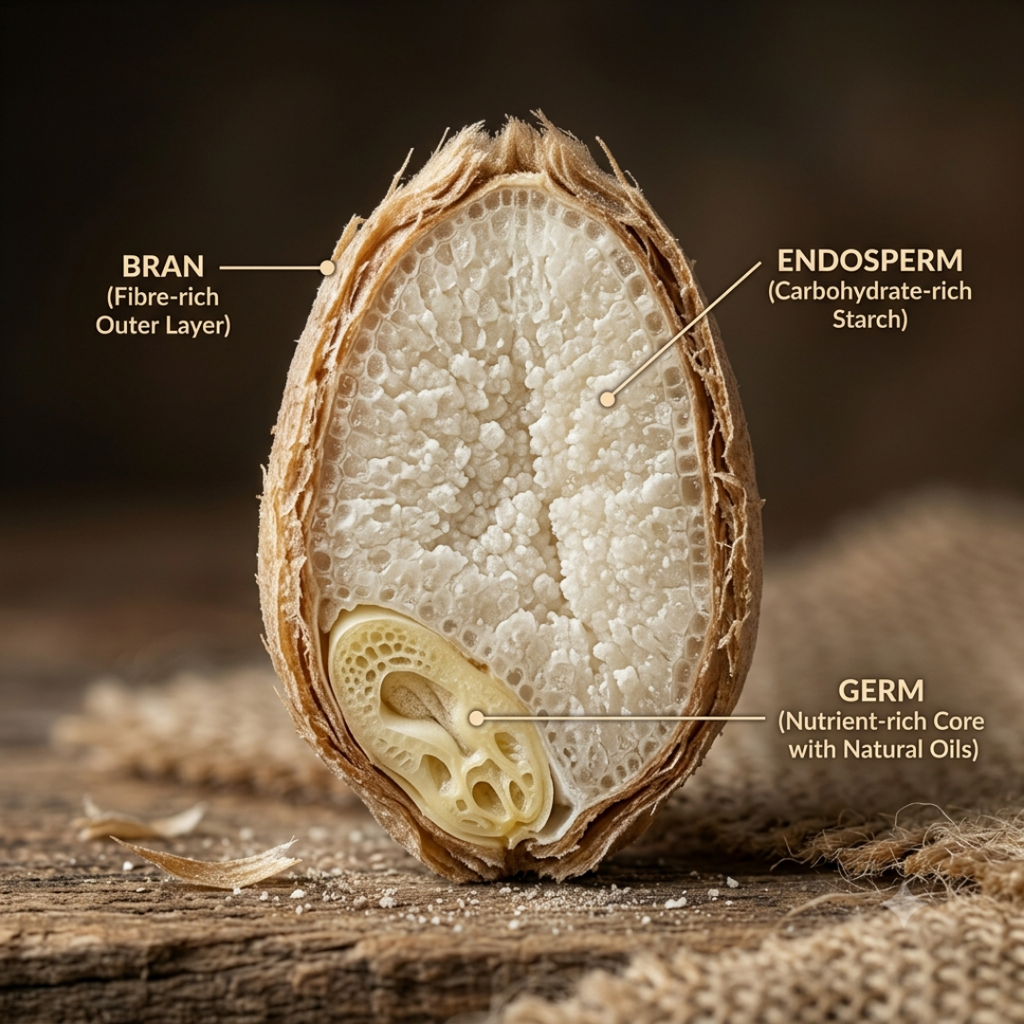
Whole grains contain three parts:
- Bran – Bran – the fibre-rich outer layer that supports digestion and gut health. (Learn more about reaching your daily targets in our guide on adding fiber to an Indian diet.)
- Germ – nutrient-rich core with natural oils
- Endosperm – carbohydrate-rich middle portion
Stone milling can keep these parts together in a more natural form. Roller milling often separates them first, especially for refined flour. Some “whole wheat” flours may later recombine components, but processing methods vary.
2. Texture & Taste
This is where many people notice the biggest difference.
Stone-ground flour tends to have:
- Nutty, fuller flavour
- Slightly rustic texture
- More character in rotis and breads
Roller-milled flour tends to be:
- Smoother
- Lighter in texture
- More neutral in taste
3. Freshness
Because whole grain flour contains natural oils from the germ, freshness matters. Stone-ground flour is often produced in smaller batches for consumers who value peak nutrition and taste. (Read our full guide on why freshly milled flour tastes better and lasts longer to see how oxidation affects flour quality.)
By contrast, roller-milled flour is engineered for extended shelf stability and large-scale industrial distribution, often sacrificing those delicate natural oils in the process.
4. Everyday Cooking Performance
Roller-milled flour performs well when people want:
- Ultra-soft baked goods
- Highly uniform dough
- Industrial consistency
Stone-ground flour performs beautifully when people want:
- Nutritious rotis
- Rustic breads
- Richer taste
- More satisfying daily meals
Which Is Better for Health?
There is no single answer for everyone, but for many households, stone-ground whole grain flour can be the better everyday choice because it is often less refined and closer to the original grain.
The real advantage comes when stone grinding is paired with better grains—not just ordinary wheat.
That is where Amratahaar stands apart.
Why Amratahaar Chooses Stone-Ground Flour
At Amratahaar, we do not believe flour should be reduced to a commodity. Flour becomes your family’s breakfast, lunch, and dinner. It should carry nourishment, flavour, and integrity.
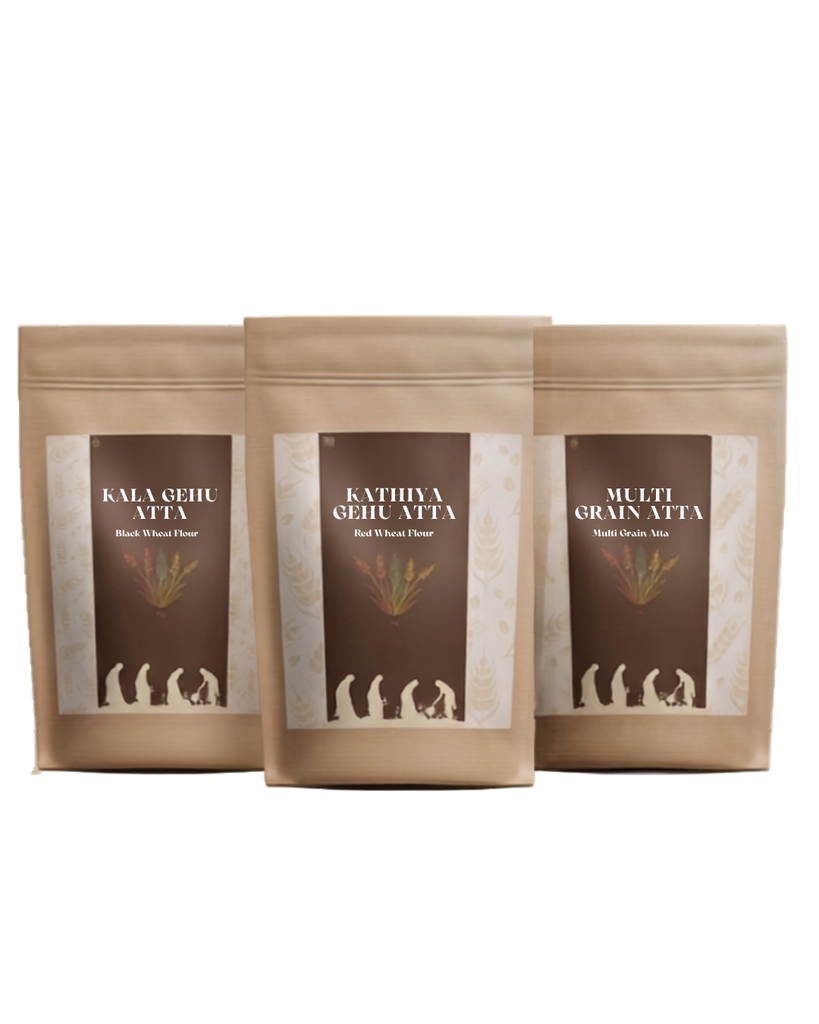
That is why our flour range is thoughtfully crafted using stone-ground methods for selected grains such as:
A naturally darker grain known for its rich profile and wholesome feel. Stone grinding helps preserve its character and natural texture.
Traditional wheat with a deeper grain identity and hearty taste. Ideal for rotis that feel more satisfying.
A blend designed for modern households seeking variety, fibre, and better balance in daily meals.
When these grains are stone-ground, they retain the qualities that make them worth choosing in the first place.
Benefits of Amratahaar Stone-Ground Flour
1. Better Taste in Everyday Rotis
2. More Satisfying Meals
3. Traditional Goodness for Modern Homes
4. Premium Grains, Thoughtfully Handled
How to Use Stone-Ground Flour at Home
If you are switching to stone-ground flour, start with:
- Daily rotis
- Chapatis
- Thepla
- Parathas
- Pancakes / chillas (multigrain blends)
You may notice:
- Better aroma while cooking
- More satisfying bite
- Fuller taste
- Slightly different dough feel (often more natural and absorbent)
Final Verdict: Stone-Ground or Roller-Milled?
If your top priority is mass-market uniformity and ultra-fine texture, roller-milled flour may suit you.
But if your priority is:
- Better grain character
- Traditional wholesomeness
- More flavour
- Thoughtful everyday nutrition
- Less processed staples
Then stone-ground flour is often the better choice.
And when that flour is made from premium grains like black wheat, red wheat, and balanced multigrain blends, it becomes more than flour—it becomes a better daily habit.
Choose Better Daily Flour with Amratahaar
At Amratahaar, we believe your everyday staples deserve the same attention as any “superfood.”Because health is not built occasionally.
It is built daily—one roti at a time. 🌾
FAQs
Is stone-ground flour better for digestion?
It can be, because whole-grain stone-ground flour retains fibre, which supports healthy digestion.
Does stone-ground flour have a shorter shelf life?
Yes, it can. The natural oils in the grain can make stone-ground whole wheat flour lose freshness faster.
Can I make soft rotis with stone-ground flour?
Yes. Using enough water and resting the dough well can help you make soft rotis.
Is stone-ground flour healthier than roller-milled flour?
Stone-ground flour is generally healthier than standard refined roller-milled flour because it preserves the nutrient-rich bran and germ.