The Urban Shift Toward Simpler, Better Everyday Eating
In cities today, food has become faster than ever. Meals are delivered in minutes, breakfast comes in packets, and “healthy” often means something marketed rather than something genuinely nourishing. Yet quietly, a different movement is growing—people are turning back to slow food.
This comeback is not loud or trendy. It is practical. Urban professionals, young families, and health-conscious millennials are beginning to value food that is less processed, more rooted, and made with care. From stone-ground flour to traditional grains, home-cooked meals to mindful sourcing, slow food in India is becoming relevant again.
At Amratahaar, we see this shift every day. People are no longer asking only what tastes good. They are asking:
- What is in my food?
- Where did it come from?
- How was it made?
- Does it actually nourish me?
That is where slow food matters.
What Is Slow Food?
Slow food does not simply mean food that takes a long time to cook.
It refers to food that values:
- Quality over speed
- Traditional methods over excessive processing
- Seasonal, real ingredients over artificial shortcuts
- Thoughtful preparation over convenience alone
- Sustainability and connection to the source
The global Slow Food movement began in Italy in the late 1980s as a response to fast food culture. But in India, the philosophy has always existed in our homes: soaking dals, grinding fresh masalas, making rotis daily, using grains like daliya, jowar, bajra, and regional wheats.
In many ways, India has always known slow food. We simply forgot to call it that.
Why Slow Food Is Returning in Urban India
1. Fast Food Fatigue Is Real
Many urban consumers are experiencing the downside of ultra-convenient eating:
- Meals that feel heavy
- Hunger returning too quickly
- Overdependence on packaged foods
- Disconnection from ingredients
Convenience is useful, but when it becomes the foundation of the diet, people often begin looking for balance.
That is why more people are now searching for:
- healthy Indian food
- whole wheat flour
- clean eating India
- home-style nutrition
2. Everyday Staples Matter More Than Superfoods
For years, health trends focused on imported or niche foods—chia seeds, quinoa, powders, bars, supplements.
But many people now realise that health is built more consistently through daily staples:
- Better atta
- Better rice choices
- Whole grains
- Pulses
- Balanced breakfasts
- Home-cooked meals
You eat roti more often than you eat chia pudding. You eat dal more often than a protein bar.
And that’s not a compromise — whole wheat rotis and everyday dal already deliver real fibre and iron, the same nutrients people chase in powders and bars, just already sitting in meals you eat every day.
This is why traditional Indian foods are gaining respect again
3. People Want to Know the Source
Urban consumers are more informed than ever. They want transparency.
They ask:
- Is this flour refined or stone-ground?
- Is this grain traditional or heavily modified?
- Is the brand trustworthy?
- Is the ingredient list simple?
At Amratahaar, we believe trust begins before packaging. It begins with the grain itself.
What Slow Food Looks Like Today
Slow food in India in 2026 does not always look like hours in the kitchen.
It can be modern, practical, and city-friendly:
Breakfast
- Red wheat daliya
- Besan chilla
- Fresh poha with vegetables
Lunch
- Rotis made from multigrain atta
- Dal + sabzi + salad
Snacks
- Roasted chana
- Fruit + nuts
Dinner
- Light rotis with sabzi
- Khichdi made with pulses and grains
Slow food today means choosing ingredients that support your life—not complicate it.
Why Traditional Grains Are Back
One of the biggest signs of the slow food comeback is renewed interest in grains beyond standard refined staples.
Urban households are exploring:
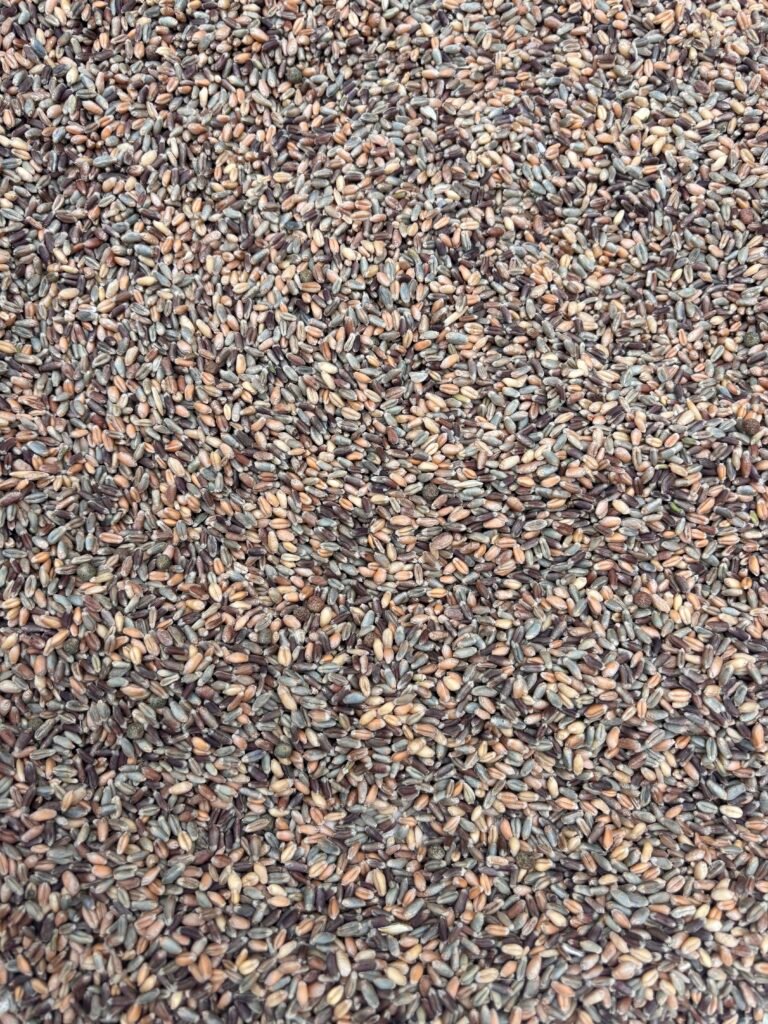
- Black wheat flour
- Red wheat flour
- Multigrain atta
- Jowar flour
- Daliya / broken wheat
- Regional cereals and pulses
The Role of Stone-Ground Flour in Slow Food
Milling matters.
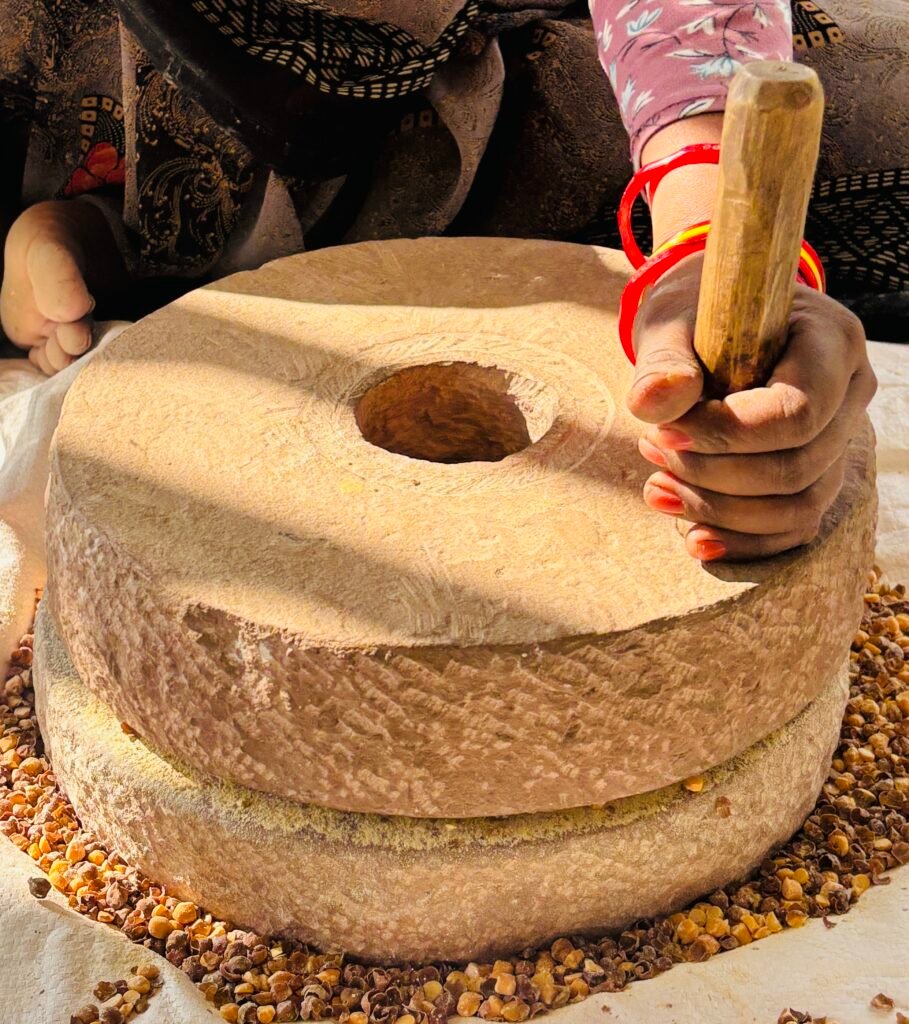
When grains are over-processed, they can lose some of the natural character people seek. This is why many consumers now prefer stone-ground flour. This aligns naturally with the slow food mindset: less interference, more integrity.
Where Amratahaar Fits In
Amratahaar was built around a simple belief:
Food chosen for the family should be good enough for every family.
Our mother-led roots and farming background naturally align with the slow food philosophy.
We focus on staples that matter:
A thoughtful alternative for everyday rotis.
Traditional grain character with modern relevance.
A balanced blend of multiple grains for everyday nutrition.
A practical slow breakfast for urban routines.
Because wellness should begin with what you eat most often.
Slow food is not about luxury. It is about standards.
How to Bring Slow Food into a Busy City Life
You do not need to become a full-time home chef. Start small:
1. Upgrade One Staple
Switch your flour to a better option. See how different types of atta compare.
2. Eat One Traditional Breakfast Daily
Try daliya or besan chilla.
3. Cook More Often Than You Order
Even 4 days a week matters.
4. Read Ingredient Lists
Simpler is usually better.
5. Choose Food with a Story
Source matters.
Final Thoughts: The Comeback Is Quiet for a Reason
Slow food does not shout. It does not need to.
It returns through everyday choices:
- a better flour
- a simpler breakfast
- a home-cooked meal
- a grain chosen with care
In a world built for speed, people are rediscovering the power of slowing down—especially at the table.
And perhaps that is why slow food is making a quiet comeback.
Because deep down, many of us were never looking for more food.
We were looking for better food.
Discover Everyday Slow Food with Amratahaar
At Amratahaar, we believe health is built through the foods you eat every day—not once in a while.
Thoughtfully chosen grains. Honest staples. Food rooted in care. 🌾
FAQs
What is slow food?
Slow food means choosing quality ingredients, traditional methods, and thoughtful preparation over speed and convenience.
What are the benefits of slow food?
Slow food helps you eat more fresh, seasonal and less processed food. It also supports local farmers, traditional food practices, and more mindful cooking.
Is slow food healthier?
Yes, the slow food approach is generally healthier because it focuses on fresh, whole, locally sourced ingredients and mindful eating habits.
What is an example of slow food?
A homemade dal cooked from scratch using whole lentils, fresh vegetables and traditional cooking methods is an example of slow food.