When winter arrives, our food habits begin to change. We start reaching for warm meals, freshly made rotis, seasonal vegetables and foods that have been part of Indian kitchens for generations.
And somewhere in this seasonal shift, one grain makes a familiar appearance: Bajra.
From bajra rotis served with sarson ka saag to bajra khichdi and traditional raab, this humble millet has long been a part of winter meals, particularly across North and Western India.
But have you ever wondered why bajra is so closely associated with winter? Is it simply a food tradition, or does its nutritional value have something to do with it?
Let’s understand what makes this grain worth including in your winter diet.
What Makes Bajra Different from Other Grains?
Bajra, also known as pearl millet, is one of India’s oldest cultivated grains. It has been a staple in several parts of the country, particularly in regions where growing conditions can be challenging.
Unlike rice and wheat, bajra is naturally gluten-free and has a distinctive nutritional profile.
It contains dietary fibre, plant-based protein, iron, magnesium and other essential nutrients. It is also a source of complex carbohydrates, which provide the body with energy.
What makes bajra particularly interesting is that it isn’t just another grain being rediscovered as a health food. It has been a part of everyday Indian cooking for generations.
Bajra is also a whole grain, just like wheat, oats and other cereals. But whole grain and whole wheat aren’t interchangeable terms. Understanding the difference can help you make better choices when buying everyday flour.
5 Reasons to Include Bajra in Your Winter Diet
1. A Good Source of Dietary Fiber
Winter often means richer meals, fewer outdoor activities and sometimes less movement throughout the day. This makes paying attention to dietary fibre just as important as it is during any other season.
Bajra is a good source of dietary fibre, which supports regular bowel movements and helps maintain digestive health.
Fibre also slows down digestion and can contribute to feeling satisfied after meals. This is one reason whole grains can be useful when planning balanced, filling meals.
An easy way to include it? Try bajra roti with seasonal vegetables or a bowl of dal.
From whole grains and dals to fruits and vegetables, fibre comes from a variety of everyday foods. Here’s a closer look at how to include more fibre in an Indian diet.
2. Provides Energy During Colder Days
Ever noticed how a freshly made bajra roti feels particularly satisfying on a cold winter afternoon?
There is a nutritional reason why it makes a substantial meal.
Bajra contains complex carbohydrates, which are an important source of energy for the body. It also provides a reasonable amount of protein and dietary fibre, making it a nutritious grain to include in everyday meals.
Traditionally, bajra has been considered a warming food in several Indian food cultures. While this is an established food tradition, it is worth distinguishing that from a scientifically proven claim that eating bajra raises your body temperature.
3. Contains Iron and Other Essential Minerals
One of the interesting things about bajra is its mineral content.
It naturally contains iron, magnesium, phosphorus and zinc, all of which play different roles in maintaining normal body functions
For example:
- Iron helps the body produce haemoglobin, which carries oxygen in the blood.
- Magnesium supports normal muscle and nerve function.
- Phosphorus contributes to healthy bones and teeth.
- Zinc plays a role in immune function and wound healing.
Bajra can contribute to your overall mineral intake, although the amount your body absorbs depends on several factors. Plant-based iron, for instance, is not absorbed as efficiently as iron from animal sources.
Pairing bajra-based meals with vitamin C-rich foods such as amla, lemon or fresh vegetables can help improve the absorption of plant-based iron.
4. Offers Plant-Based Protein
If you follow a vegetarian diet, getting protein from different food sources becomes particularly important.
Bajra provides approximately 11 g of protein per 100 g of raw grain. This makes it a useful addition to a varied plant-based diet.
However, it shouldn’t be treated as a complete protein replacement for dals, beans, dairy or other protein-rich foods.
A simple combination is bajra roti with dal, curd or a bowl of chana. Together, these foods make a more balanced meal.
5. Naturally Gluten-Free
For people who need to avoid gluten, bajra can be a useful alternative to wheat.
Unlike wheat, bajra does not naturally contain gluten. This makes it suitable for people following a gluten-free diet, including those with coeliac disease, provided the grain and flour have not been contaminated with gluten-containing cereals during processing or handling.
Its slightly earthy flavour also makes it a good alternative for people looking to bring more variety into their everyday meals.
Why Do We Traditionally Eat Bajra During Winter?
There is something interesting about the way Indian food traditions have evolved.
Different regions developed eating habits around the crops that grew well in their local conditions and the foods available to them.
Bajra became particularly important in regions such as Rajasthan, Haryana, Uttar Pradesh and Gujarat, where it is well suited to relatively dry growing conditions.
Over time, it became closely associated with everyday regional cooking.
During winter, bajra roti, khichdi and raab became familiar meals in many households. These preparations are often served with jaggery, ghee, curd, vegetables or other accompaniments.
The association with winter is therefore not just about the grain itself. It is also about the food traditions, recipes and combinations built around it.
And perhaps that is one of the most interesting things about traditional Indian food: many ingredients that are now being discussed for their nutritional value have been part of our kitchens for generations.
How to Include Bajra in Your Everyday Winter Meals
You don’t need to completely change your diet or replace every wheat roti with bajra to enjoy its nutritional benefits.
Start with simple additions.
Bajra Roti with Sarson Ka Saag
A classic winter combination. Pair bajra roti with sarson ka saag or other seasonal vegetables for a wholesome meal.
Bajra Khichdi
Combine bajra with moong dal and vegetables to make a filling one-pot meal. Soaking the grain beforehand can help with cooking and texture.
Bajra Raab
A traditional preparation made using bajra flour, commonly enjoyed warm in parts of Rajasthan and Gujarat. Recipes vary from household to household.
Bajra and Wheat Flour Rotis
If you’re not used to the taste or texture of bajra, start by mixing a little bajra flour with wheat flour. Gradually adjust the proportion as you become familiar with it.
The idea isn’t to make your meals complicated. It’s to bring more variety into the grains you eat.
Bajra doesn’t always have to be eaten on its own. It can also be combined with other grains to bring more variety to everyday meals. If you’re curious about how different grains complement one another, here’s a closer look at the five grains used in multigrain atta.
Bring More Grains to Your Everyday Meals with Amratahaar
Including bajra in your diet doesn’t have to mean preparing a separate meal or changing the way you cook.
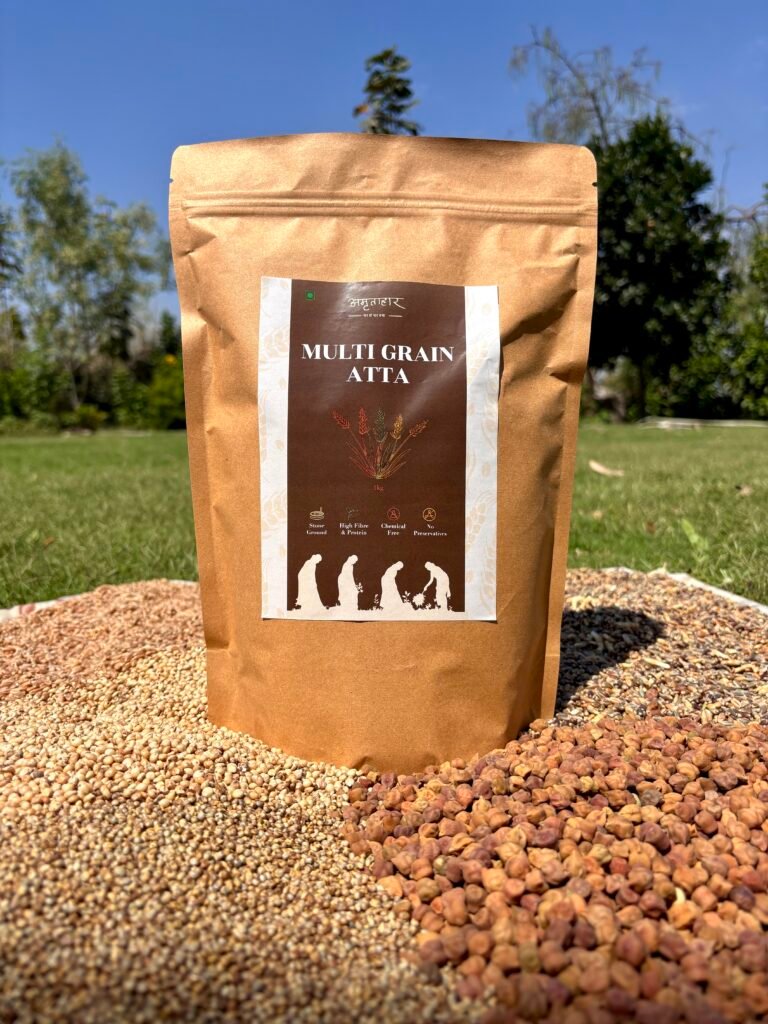
If you enjoy the convenience of everyday rotis but want to bring more variety to your grain intake, Amratahaar’s 5-Grain Multigrain Atta is one option worth exploring.
Made with five grains – red wheat, black wheat, bajra, jowar and chana – it brings together different grains in one flour blend, making it easier to add variety to your everyday rotis.
You can use it just as you would your regular atta to prepare rotis for your daily meals.
Want to explore it? Discover Amratahaar Multigrain Atta.
FAQs
1. Is bajra good to eat during winter?
Yes. Bajra is a nutritious whole grain containing dietary fibre, plant-based protein and minerals such as iron and magnesium. It is traditionally enjoyed during winter in many parts of India, often in the form of rotis, khichdi and raab.
2. Can we eat bajra every day?
Bajra can be included regularly in a balanced diet. However, it is a good idea to eat a variety of whole grains rather than depending on just one grain every day. You can alternate between bajra, wheat, jowar and other grains.
3. Is bajra better than wheat?
Both bajra and wheat have nutritional benefits. Bajra is naturally gluten-free and provides fibre, protein and minerals, while wheat also offers dietary fibre, protein and important nutrients. Neither is automatically better for everyone. The choice depends on your nutritional needs, dietary preferences and overall eating habits.
4. Is bajra gluten-free?
Yes. Bajra (pearl millet) is naturally gluten-free, unlike wheat. However, people with coeliac disease should ensure that the grain and flour are certified gluten-free and protected from cross-contamination during processing and storage.
5. Does eating bajra help with weight loss?
Bajra contains dietary fibre and protein, which can help you feel satisfied after meals. Including it in balanced meals may support weight management, but eating bajra alone does not cause weight loss. Overall food intake, portion sizes and physical activity also matter.
6. What is the best way to eat bajra in winter?
Bajra roti with sarson ka saag, bajra khichdi and bajra raab are popular traditional options. You can also mix bajra flour with wheat flour when making rotis if you are new to its taste and texture.
7. Does bajra help with digestion?
Bajra contains dietary fibre, which supports regular bowel movements and overall digestive health. If you are not used to high-fibre foods, introduce it gradually and drink enough water.