The best atta isn’t the one with the loudest claims on the packet. It’s the one that nourishes your family, respects the grain, and stays true to how food was meant to be.
Every Kitchen Has Atta. But Is It the Right One?
For most Indian households, atta is more than just another grocery item. It’s what turns normal atta into the warm rotis on our dinner table, the parathas packed for school lunches, and the soft phulkas shared over family meals.
Because we consume it almost every day, the quality of the flour we choose quietly shapes our daily nutrition.
Yet, buying atta today can feel surprisingly confusing.
Should you choose whole wheat atta or multigrain atta? Is stone-ground atta really better than roller-milled flour? Is black wheat atta healthier? Does “chakki atta” always mean better quality?
With shelves full of choices and labels making big promises, it’s natural to wonder: Which atta is actually best for daily use?
What Makes an Atta Good for Everyday Use?
There isn’t one perfect atta for everyone, but there are a few qualities that make any healthy atta stand out.
1. Whole Grain Makes a Difference
A wheat grain has three important parts:
- Bran, which provides fibre
- Germ, which contains natural oils and nutrients
- Endosperm, which supplies carbohydrates and protein
Whole wheat atta retains all three parts of the grain, making it a more balanced choice for everyday meals.
When more of the grain is preserved, more of its natural goodness reaches your kitchen.
Did you know whole grain and whole wheat aren’t actually the same thing? Here’s the difference you should know before buying your next atta packet.
2. The Milling Process Matters
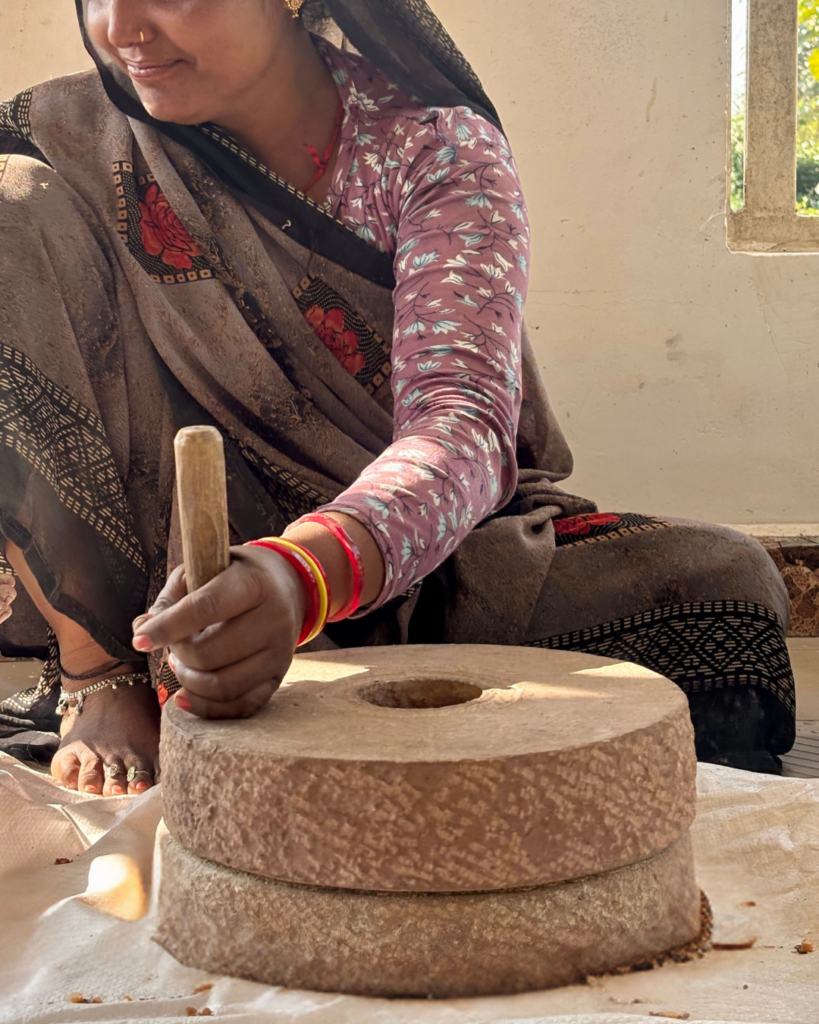
The journey from grain to flour matters just as much as the grain itself.
Traditionally, wheat was ground slowly using stone mills. Today, much of the flour available commercially is processed using high-speed roller mills.
Stone-ground atta is often appreciated for preserving the grain in a more traditional way while retaining its natural aroma and texture.
You can read more in our blog on Stone-Ground Flour vs Roller-Milled Flour.
3. Freshness Is Often Overlooked
Fresh flour has a distinct aroma that many of us remember from our childhood kitchens.
As flour ages, its flavour gradually changes.
While packaged flour offers convenience, paying attention to the manufacturing date and storing atta properly can help maintain freshness at home. Wondering how much the time between milling and eating actually matters? Read the full breakdown here.
4. Simplicity Is a Good Sign
A good atta doesn’t need a long list of ingredients.
Whether you’re buying whole wheat atta, stone-ground atta, or multigrain atta, transparency matters.
Knowing what goes into your flour and what doesn’t is just as important as reading the nutrition label.
Understanding Different Types of Atta
One of the reasons people struggle to choose atta is because there are so many options available today.
Each serves a slightly different purpose.
| Type of Atta | Best For | What Makes It Different |
| Whole Wheat Atta | Everyday meals | Contains the complete wheat grain |
| Stone-Ground Atta | Daily rotis | Traditional milling method and rich flavour |
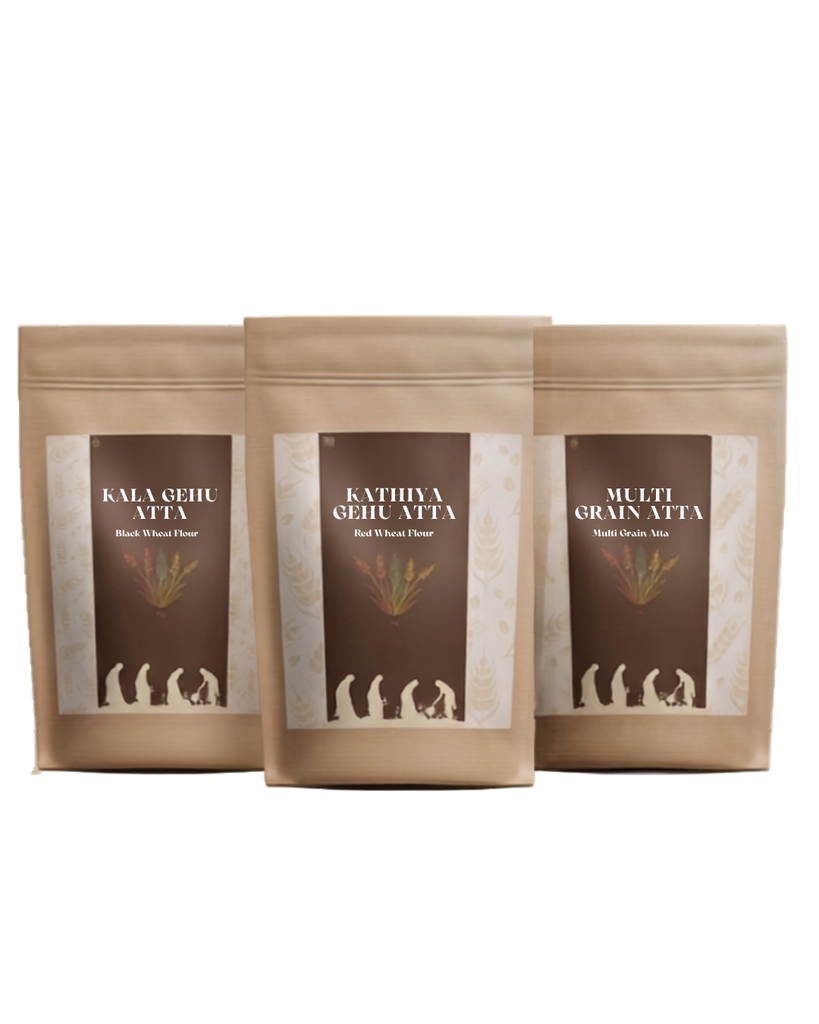
| Black Wheat Atta | Variety in everyday diet | Naturally rich in anthocyanins, good choice for diabetics |
| Red Wheat Atta | Everyday cooking | Traditional wheat variety with a rich, earthy taste |
| Multigrain Atta | Families wanting more grain diversity | Blend of wheat with other grains and seeds |
| Refined Flour (Maida) | Baking and occasional recipes | Softer texture but significantly lower in fibre |
*Whole Wheat, Stone-Ground, Black Wheat, Red Wheat, and Multigrain are the varieties we focus on at Amratahaar – Maida is included above only for comparison, since it’s what these whole-grain options are typically weighed against. India grows several other wheat varieties too, each with their own strengths. See the full guide to every Indian wheat variety.
Compare Grains Side-By-Side: Unsure whether regular wheat, red wheat, black wheat, or multigrain fits your daily needs best? Compare regular flour, black wheat, red wheat, and multigrain varieties on our Flour Comparison Tool to analyze nutrition, fiber content, and ideal kitchen uses before buying.
Five Things to Check Before Buying Atta
Before placing a packet in your shopping basket, take a closer look.
- Is it made from whole grain?: Whole grain flour naturally contains more fibre than refined flour.
- How was it milled? The milling method affects the texture, flavour, and characteristics of the flour.
- Does the brand clearly mention the grain? Knowing whether you’re buying whole wheat, multigrain, or another traditional grain helps you make an informed choice.
- Is the manufacturing date recent? Freshness contributes to flavour and overall quality.
- Does the brand tell you where the grain comes from? Transparency builds trust.
Looking Beyond the Label
There isn’t a single atta that’s perfect for every household.
The best atta for daily use is one that is made from quality grains, minimally processed, suited to your family’s needs, and produced with honesty and care.
When we understand the journey of our flour from the field to the flour mill to our kitchens we begin to see atta as more than just an ingredient.
It becomes a reflection of the food choices we make every day.
At Amratahaar, that’s what we believe good food should do, not just fill our plates, but connect us back to the people, traditions, and grains that have nourished us for generations.
Explore Amratahaar’s naturally grown, stone-ground flours that respect the grain from field to flour.
FAQs
Is multigrain atta better than whole wheat atta?
Not necessarily. Multigrain atta contains different grains, while whole wheat atta is made from wheat. The better choice depends on the grains used and your dietary needs.
Is whole wheat atta good for everyday use?
Yes. Whole wheat atta is a good choice for everyday meals because it retains the bran, germ, and endosperm of the wheat grain and provides fibre and other nutrients.
Can I mix different types of atta for daily use?
Yes. You can mix different whole wheat varieties or grains to add variety to your everyday meals. The right combination depends on your preferred taste, texture, and dietary needs.
What should I look for when buying atta?
Look for 100% whole wheat, minimal processing, good freshness, and clear ingredient labels. The wheat variety and milling method can also affect the taste and texture of your rotis.
Does the dark coloured atta mean it is healthier?
No. The colour alone does not tell you how healthy the atta is. The grain, ingredients, and level of processing matter more.