We think about freshness when we buy vegetables, milk, bread or even coffee.
But when it comes to atta, we usually ask a different question:
What brand should I buy?
Very rarely do we ask:
When was this flour actually milled?
That question is becoming more important as freshly milled flour, fresh atta and freshly ground wheat flour become increasingly popular.
And it isn’t simply because people are going back to an old way of doing things.
There is a reason people are curious about it.
Once wheat is milled, it is no longer the same as the whole grain sitting in its intact form. The flour is now exposed to air and, from that point onwards, storage starts to matter.
So what really happens after milling? Does freshly milled flour have any real benefits? And how can you tell if the atta in your kitchen is actually fresh?
Let’s start with what happens to the grain.
What happens when wheat is turned into flour?
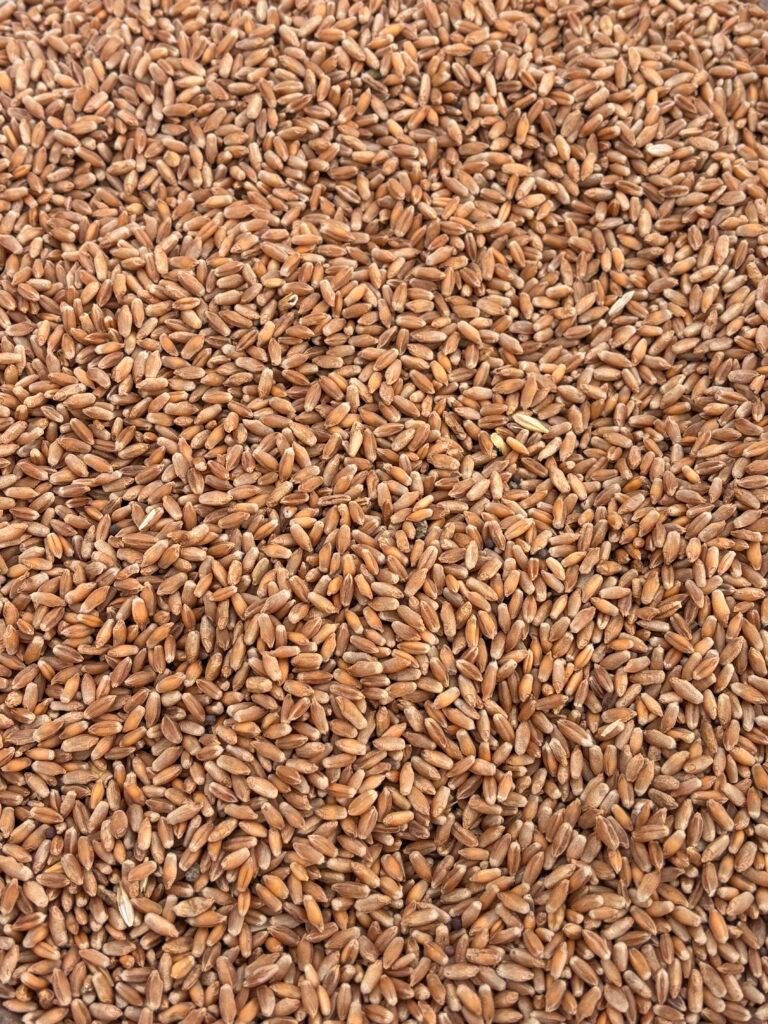
A whole wheat grain is made up of three main parts: the bran, germ and endosperm.
When the grain is milled, these parts are broken down and become flour.
In the process, components that were naturally enclosed within the grain are exposed to the surrounding air. This matters because flour doesn’t remain exactly the same forever.
With time, exposure to oxygen, moisture, temperature and storage conditions can gradually affect its freshness, flavour and overall quality. Some of the naturally occurring fats in whole-grain flour can also undergo oxidation during storage.
That doesn’t mean flour suddenly becomes “bad” after a certain number of days.
It simply means that milling is not the end of the story. Storage matters too.
And this is where freshly milled flour becomes interesting.
Why is freshly milled flour becoming so popular?
Freshly milled flour isn’t really a new trend.
For generations, grain was often milled in smaller quantities and closer to when it was needed. Flour didn’t necessarily spend a long time sitting around before becoming food.
Today, flour can be milled much earlier, packaged, transported and stored before it reaches your kitchen.
That convenience is useful. But it has also made us curious about something we rarely questioned before:
Does the time between milling and eating make a difference?
More people are now interested in minimally processed food, traditional milling methods, whole grains and knowing more about how their everyday staples are made.
Freshly milled flour fits naturally into that conversation.
So, why does freshly milled flour matter?
The simplest answer is:
Freshly milled flour spends less time sitting around after milling.
And that matters because the changes that happen during storage don’t get as much time to take place.
But the benefits go beyond simply saying “it’s fresh.”
1. It keeps you closer to the grain, freshly milled
Freshly milled flour is flour that has been produced closer to the time you actually consume it.
The shorter the gap between milling and eating, the less time the flour has spent in storage.
That doesn’t mean milling suddenly creates extra nutrients. The grain already contains its naturally occurring fibre, vitamins, minerals and other beneficial compounds.
The difference is that you are consuming the flour closer to the point at which the grain became flour.
For anyone choosing whole wheat flour as part of their everyday diet, that freshness is an important part of the equation.
2. It can help maintain the flour’s freshness and quality
As flour is stored, natural changes can gradually affect its quality.
Freshly milled flour has simply had less time for those changes to occur.
This is particularly relevant for whole wheat flour because it contains the bran and germ along with the endosperm. These parts of the grain contain naturally occurring fats and other compounds that can be affected by storage over time.
So the appeal of freshly milled flour is not that it is a completely different food.
It is that less time has passed between milling and your kitchen.
3. You can actually taste and smell the difference
This is probably the easiest benefit to experience for yourself.
Freshly milled atta can have a distinct grain-like aroma and a fuller, nuttier flavour.
You may notice it when you open the packet.
You may notice it while kneading the dough.
And you may notice it most when a fresh roti comes straight off the tawa.
That is one reason people who switch to freshly ground wheat flour often talk about it as much in terms of taste and experience as nutrition.
How can you tell if your atta is fresh?
You don’t need complicated equipment to get a sense of how fresh your flour is.
A few simple things can tell you quite a bit.
Start with the milling date
This is the most useful place to begin.
We often check the expiry date, but that tells you how long the product is expected to remain suitable under the stated storage conditions.
For freshness, another date matters:
When was the flour milled?
The closer the milling date is to the day you receive it, the less time the flour has spent sitting as flour.
Smell it
Fresh atta should have a clean, natural grain aroma.
If flour develops a distinctly stale, musty or rancid smell, that’s a sign its quality may have deteriorated.
Your nose can be surprisingly useful here.
Don’t use colour as your freshness test
This is an easy mistake to make.
Flour colour can vary naturally depending on the wheat variety, grain composition and milling method.
So lighter flour isn’t automatically fresher, and darker flour isn’t automatically older.
Colour can tell you something about the flour. It can’t tell you exactly when it was milled.
Taste it
Fresh flour can have a noticeable wheat and nutty character.
If flour has been stored for a long time and its quality has changed, the flavour may become flatter or develop undesirable notes.
Sometimes the simplest test is the most useful:
Does it still taste like fresh grain?
Does freshly milled flour mean healthier flour?
This is where it’s important to separate two ideas.
Whole wheat flour and freshly milled flour are not the same claim.
Whole wheat flour is valuable because it retains the different parts of the whole grain and therefore provides the fibre and naturally occurring nutrients found in whole wheat.
Fresh milling doesn’t magically add nutrients to that grain.
What freshness changes is how long the flour has been sitting after it has been milled.
So rather than thinking:
Fresh flour = healthy
Old flour = unhealthy
it is more useful to think:
Good whole grain + good milling + good storage + less unnecessary time after milling = a better approach to fresh flour.
Freshness is one part of the picture, not the entire picture.
How we keep your atta fresh at Amratahaar
This is where our approach is quite simple.
At Amratahaar, we don’t mill your atta months in advance and keep it waiting for an order.
You place your order.
We mill your flour.
We pack it.
We ship it.
It typically reaches you in 3–4 days.
That means we mill closer to the time you are actually going to use the flour.
For us, freshly milled atta isn’t a fancy claim or a trend.
It’s simply a way of working with the grain that makes sense to us:
Keep the grain as grain for longer. Mill it when it is needed. And get the flour to your kitchen without unnecessary waiting.
The next time you buy atta, ask one more question
We check the brand.
We check the ingredients.
We check the price.
We check the expiry date.
Next time, ask one more thing:
When was this flour milled?
Because when it comes to atta, freshness doesn’t begin when you open the packet.
It begins at the mill.