Not All Wheat Is the Same
Wheat is the foundation of most Indian kitchens – it’s in our rotis, parathas, and daliya every single day. Yet most of us buy atta without ever asking what kind of wheat is actually inside the bag. Colour, grain hardness, and how the wheat was grown all change how it behaves in your dough, and how it sits in your body afterward.
Here’s a simple, no-jargon guide to the wheat varieties grown across India – what makes each one different, and what it’s best for.
Regular Wheat: The Wheat Most of Us Grew Up With
Most wheat sold in Indian markets today is a modern, high-yield variety — bred primarily to grow faster, resist disease, and produce soft, white flour at scale. It makes soft, fluffy rotis, which is why it became the household default over the last few decades.
The trade-off is nutritional. Because these hybrid varieties are bred for yield and softness rather than grain density, they tend to carry a higher gluten load and a thinner, less fibrous bran layer compared to older, indigenous wheat varieties. For most people this isn’t a problem, but for anyone who feels heavy or bloated after wheat-based meals, the grain itself is often the reason.
Black Wheat: A Return to a Fibre-Rich Grain
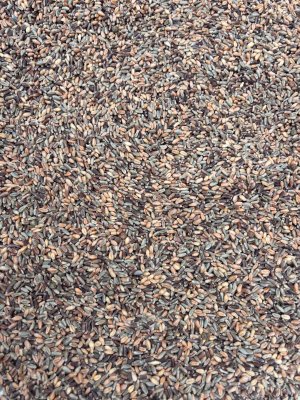
Black wheat gets its name from its dark bran layer, which contains natural plant pigments called anthocyanins along with a noticeably higher fiber content than regular wheat. Unlike modern white wheat, black wheat retains a more intact grain structure, closer to how wheat existed before it was bred purely for yield. It is one of the different types of wheat varieties grown min India.
This intact structure matters in two ways. First, the higher fibre content means slower-digesting, complex carbohydrates rather than a quick spike and crash. Second, black wheat carries a naturally lower gluten density, so the dough it forms is less elastic and heavy — something many people find easier to digest, even if they don’t need a gluten-free diet.
In practice, this makes black wheat rotis slightly denser but noticeably lighter to eat, especially for anyone managing digestive discomfort or looking to add more fibre to daily meals without changing their diet dramatically. We’ve covered the science behind this in more detail in Black Wheat Explained – Nutritional Science, Lower Gluten & Digestive Benefits and Black Wheat: The New “SUPER-GRAIN”.
Kathiya Gehu: The Traditional Grain of Bundelkhand
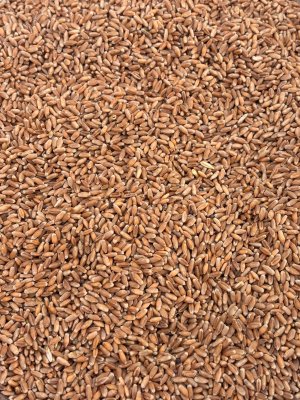
Red wheat, known locally as Kathiya Gehu, is an indigenous variety traditionally grown in the Bundelkhand region — and it was a household staple across generations before refined wheat became mainstream. It’s recognisable by its harder grain and denser bran, which give it a firmer bite and slower digestion than regular wheat.
Nutritionally, red wheat is rich in insoluble fibre, which supports gut movement, and offers a solid amount of plant-based protein. Like black wheat, it also carries a lower gluten elasticity than modern hybrid wheat, contributing structure to rotis without the excessive chewiness that heavier gluten can bring.
Red wheat’s regional roots recently earned it official recognition — Bundelkhand’s Kathiya Gehu became India’s first wheat variety to receive a GI (Geographical Indication) tag, a landmark moment for the farmers who have preserved this grain for generations. You can read the full story of that recognition, and more on the grain’s everyday strengths, in Red Wheat: A Traditional Grain with Everyday Strength.
Black Wheat vs Red Wheat: How to Choose
Since both are indigenous, lower-gluten alternatives to regular wheat, the choice usually comes down to what you’re prioritising:
- Choose black wheat if fibre content and a lighter, easier digestion are your main priority.
- Choose red wheat if you want a familiar, firmer roti texture with added protein and traditional strength.
- Rotate between both if you’d simply like more variety and nutritional diversity in your everyday meals.
Neither is “better” in absolute terms; they simply bring different strengths to the table, and both are a step up from modern high-yield wheat in fibre and gluten density.
Beyond Single Grains: Where Multigrain Fits In
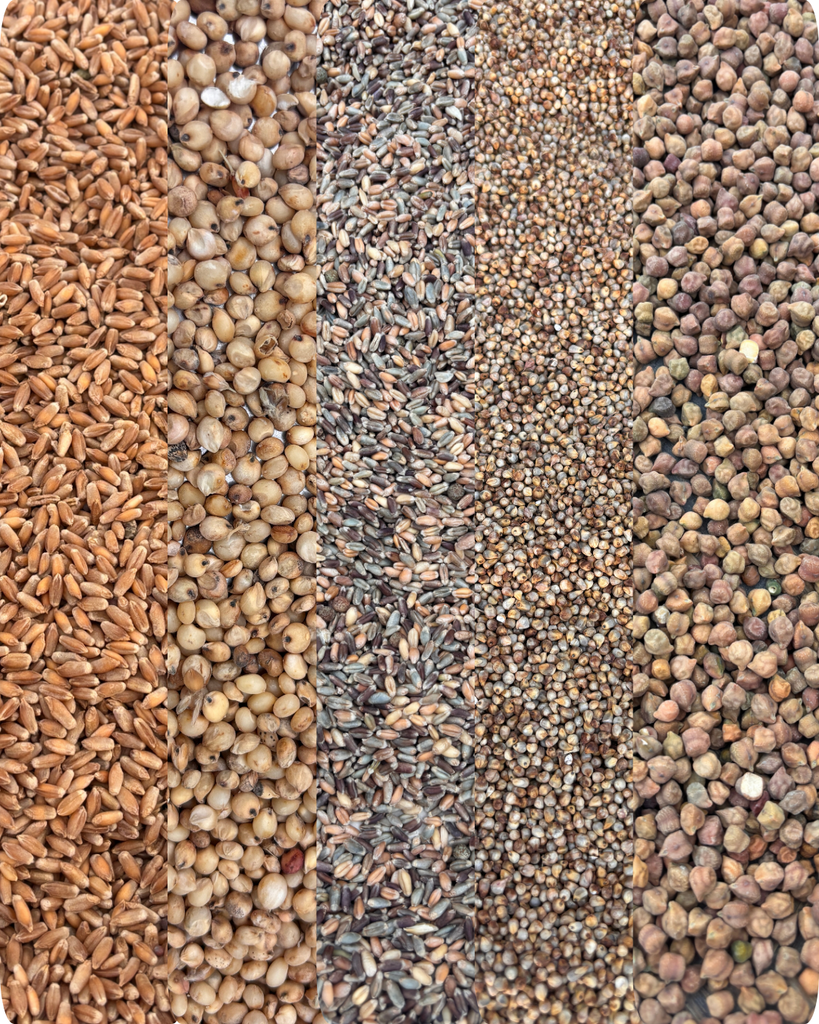
Wheat atta, whether black, red, or regular, is made from a single grain. Multigrain atta takes this further by combining wheat with millets and pulses to diversify fibre types, balance protein against carbohydrates, and reduce the overall gluten load per roti even more.
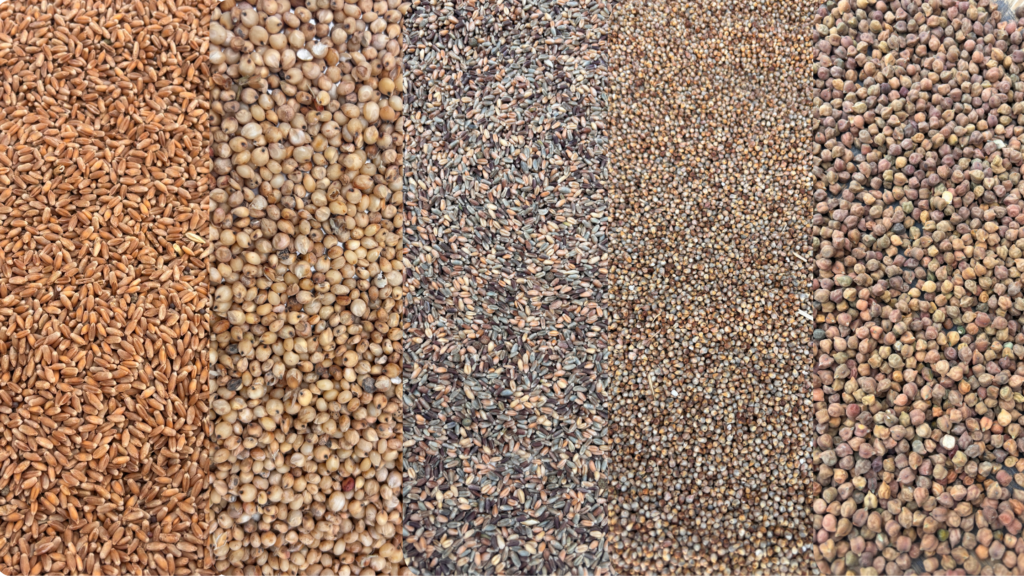
Our own Multigrain Atta blends black wheat and red wheat with bajra, jowar, and chana – pairing the fibre and lower-gluten benefits of both wheats with the gluten-free profile of millets and the plant protein of chana. If you’re looking to move beyond wheat-only rotis without giving up the roti format altogether, this is where to start. Read more in Multigrain: Why These Five Grains Together Create a Superior Everyday Flour.
Sharbati Wheat: India’s “Golden Grain”
Sharbati wheat is grown mainly in the Sehore-Vidisha belt of Madhya Pradesh, where the region’s mineral-rich soil and specific rainfall pattern give the grain its distinctive golden color and naturally sweet taste. This is one of the different types of wheat varieties that is considered the most premium wheat variety in India, and it’s the benchmark most other wheats are compared against for quality.
What sets Sharbati apart is grain density rather than fibre content. Its plumper, harder kernel yields a flour that behaves beautifully in the kitchen — soft, elastic dough that puffs up easily and makes light, tasty chapatis. It’s prized by families who want good taste and texture without compromising on nutrition. It isn’t bred for extra fibre the way black or red wheat is, so it sits closer to regular wheat nutritionally, just with noticeably better flavour and softness.
Lokwan Wheat: The Dependable Household Staple
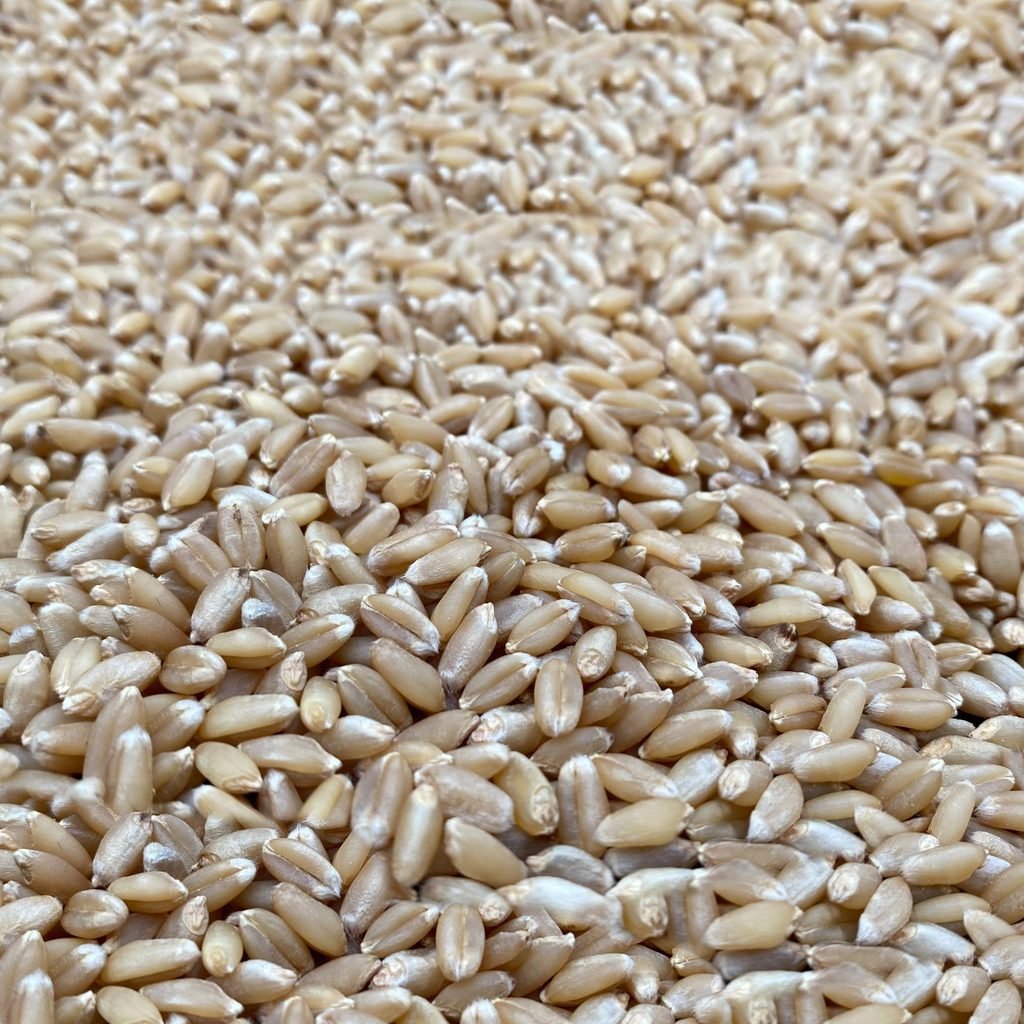
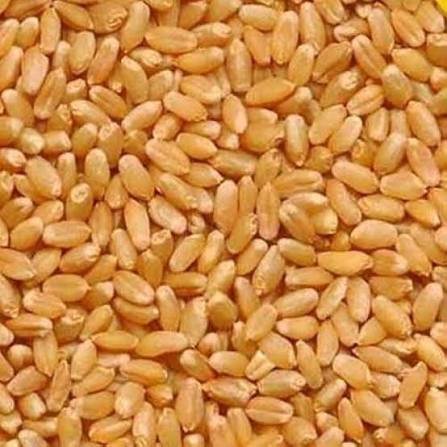
Lokwan is one of the most widely cultivated hard wheat varieties in India, grown extensively across Maharashtra, Madhya Pradesh, Gujarat, and Rajasthan. It doesn’t carry the specialty status of Sharbati or the fibre reputation of black and red wheat — instead, its strength lies in consistency, which is exactly why so many households rely on it for daily cooking.
Lokwan’s harder grain gives it a golden-yellow colour and a fairly strong aroma when milled, along with a decent protein and fibre profile compared to soft, high-yield white wheat. Because it performs reliably across different soils and seasons, it has become something of a default choice for millers and households that want steady quality without needing to think too hard about which wheat they’re buying. It’s a solid, everyday wheat — not remarkable in any one nutritional respect, but dependable in all of them.
Khapli Wheat (Emmer): The Ancient Grain
Khapli wheat, botanically known as emmer, is one of the oldest cultivated grains in human history, a direct ancestor of the modern wheat we eat today. In India, it survives mostly in small pockets of Maharashtra, Karnataka, Andhra Pradesh, and Madhya Pradesh’s Sehore district, largely unchanged from the grain farmers grew generations ago, since it was never bred for mass yield the way common wheat was.
That unmodified structure is exactly what makes Khapli valuable. The grain stays wrapped in a tough husk even after threshing, which makes it more labour-intensive to mill, a big reason it never scaled up commercially the way Sharbati or Lokwan did. But this same close-to-original structure gives it a naturally lower gluten content and a notably nutty flavour, along with a low glycaemic index that’s made it popular among people managing blood sugar. It’s less about everyday convenience and more about a grain that’s stayed close to its roots.
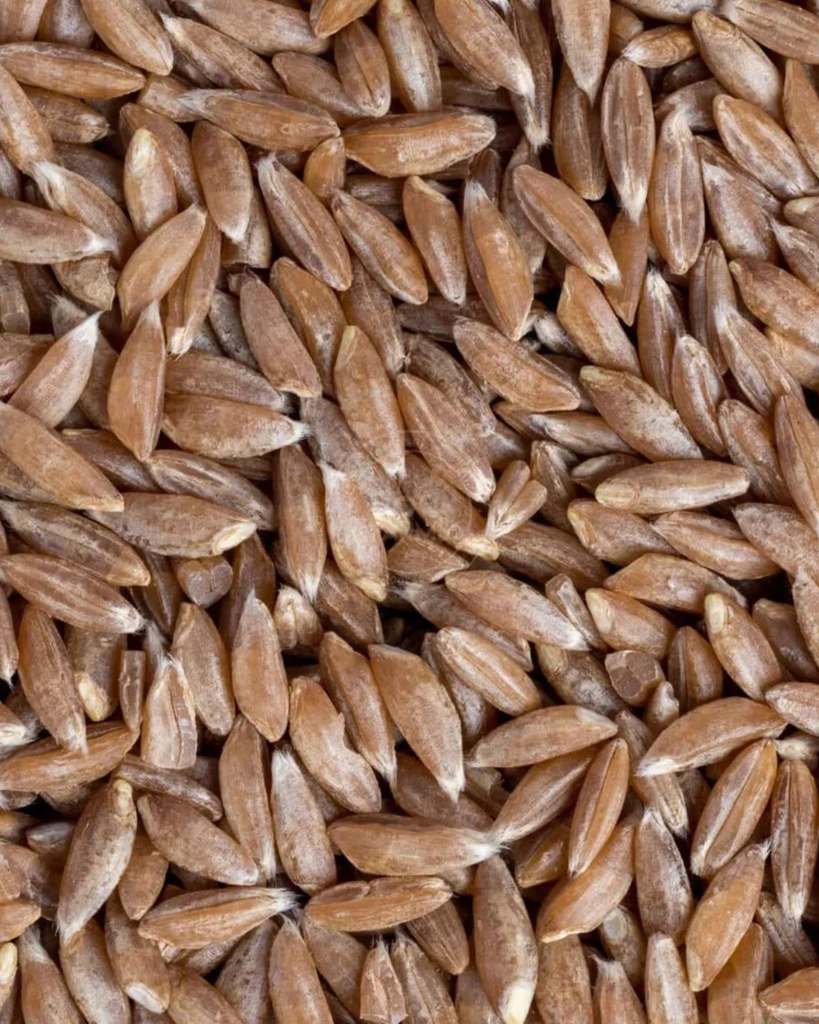
Sonalika Wheat: Built for Yield
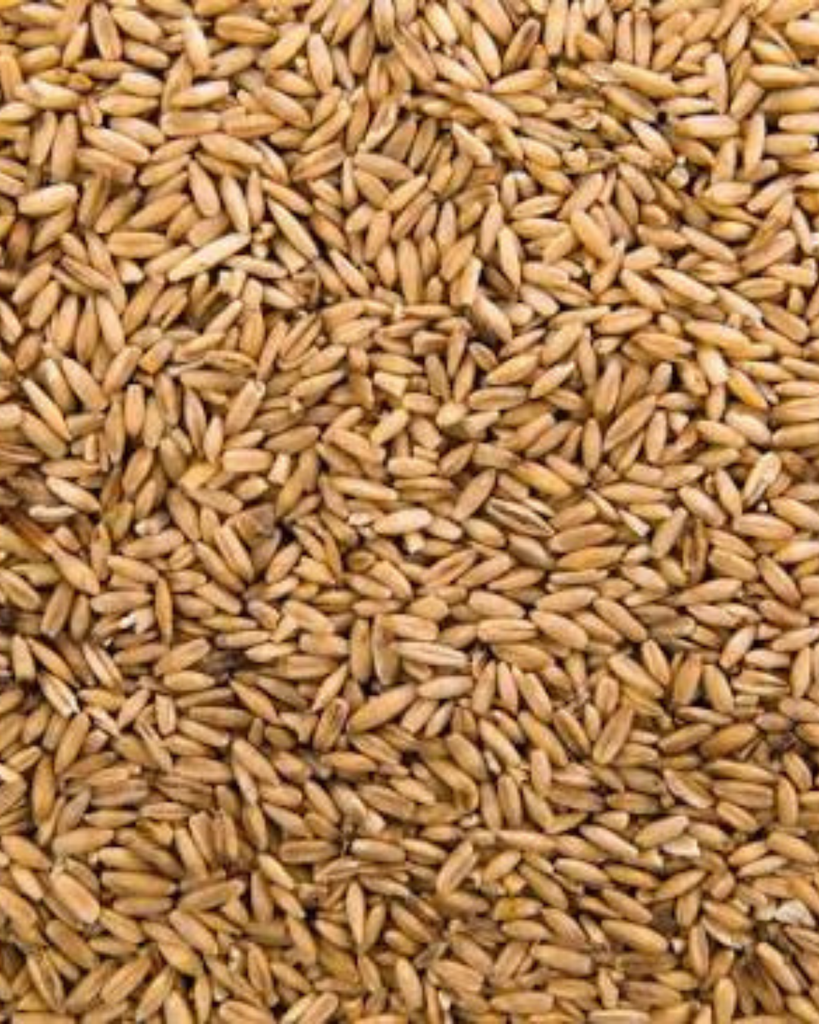
Sonalika is a high-yielding wheat variety widely grown across the northern belt — Punjab, Haryana, and Uttar Pradesh, where large-scale wheat farming feeds much of the country. It emerged as part of India’s shift toward high-yield hybrid wheat, bred specifically to produce more grain per acre without demanding difficult growing conditions.
In the kitchen, Sonalika holds up well, it’s known for good taste and a pleasant texture that makes it a reliable everyday flour. But because it was bred primarily with yield and farmer output in mind rather than fibre or bran retention, its nutritional profile stays closer to standard modern wheat. It’s a good example of how most of India’s wheat supply today prioritises consistency and volume – perfectly fine for daily meals, just without the added fibre or lower gluten density that older, indigenous varieties like black or red wheat naturally carry.
So, Which Wheat Should You Choose?
There’s no single “best” wheat – it depends on what you’re cooking and what you’re prioritising:
- Want soft, everyday rotis? Regular or Sharbati wheat works well.
- Want more fibre and easier digestion? Black wheat or red wheat (Kathiya) is a better fit.
- Managing blood sugar or exploring ancient grains? Khapli (Emmer) wheat or black wheat is worth trying.
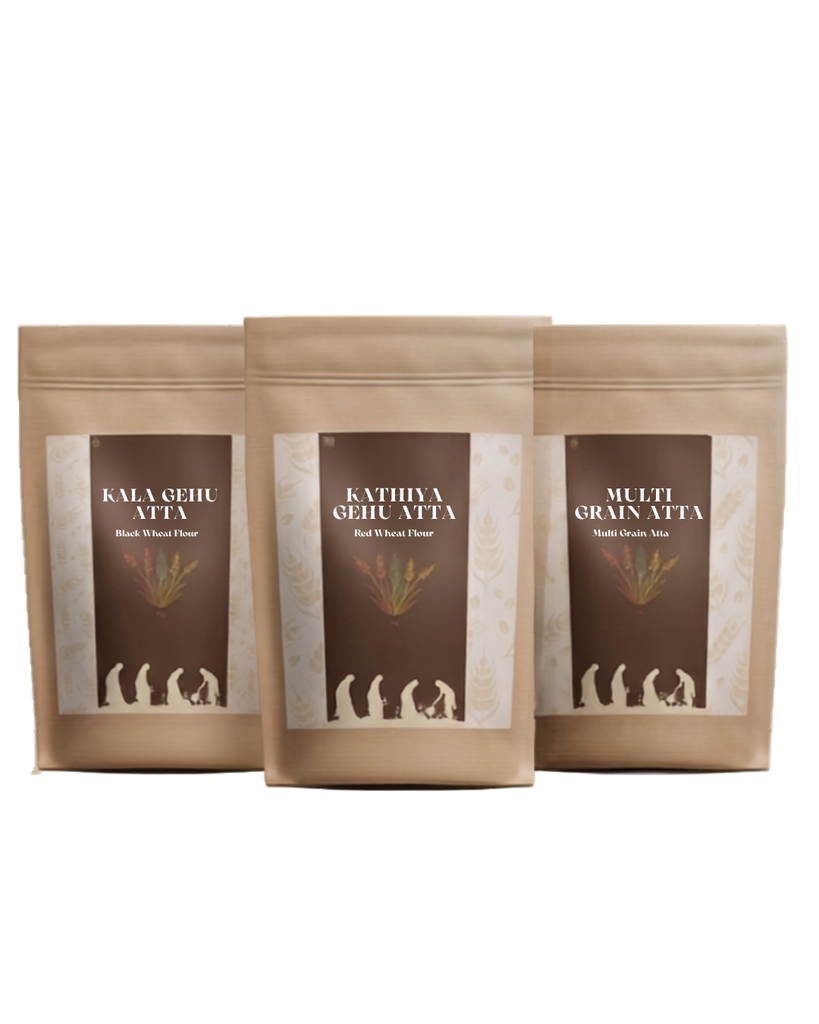
At Amratahaar, we focus on – Black Wheat, Multigrain and traditional Red Wheat (Kathiya Gehu) because they bring back the fibre and lower gluten load that modern high-yield wheat has moved away from, without asking you to change how you cook.
FAQS
Which wheat is best for daily use?
For everyday rotis, whole wheat varieties are a practical choice. You can also rotate wheat with other grains and millets to bring more variety to your meals.
Which wheat is healthiest?
There isn’t one wheat that’s healthiest for everyone. The variety, how the grain is processed, and how you use it all matter. Choosing minimally processed whole wheat is a good starting point for everyday atta.
Which wheat has more fibre?
Fibre varies between wheat varieties, but whole-grain wheat retains the bran and germ, where much of the grain’s fibre is found. So how the wheat is milled matters as much as the variety.
Is ancient wheat better than modern wheat?
Not automatically. Ancient wheat varieties can have different nutritional and cooking characteristics, but “ancient” doesn’t by itself mean healthier. What matters is the variety, processing, and overall diet.