Introduction: Why Black Wheat Matters Today
Modern diets rely heavily on refined wheat that prioritizes yield and softness over nutrition. Black wheat stands apart as a grain that retains its natural structure, fiber, and micronutrients. At Amratahaar, black wheat flour is not positioned as a trend food, but as a return to grain diversity that supports digestion, steady energy, and everyday nourishment.
Here you’ll explore black wheat benefits in depth—its nutritional profile, gluten characteristics, digestive benefits, and why it is increasingly relevant for urban Indian households.
What Is Black Wheat?
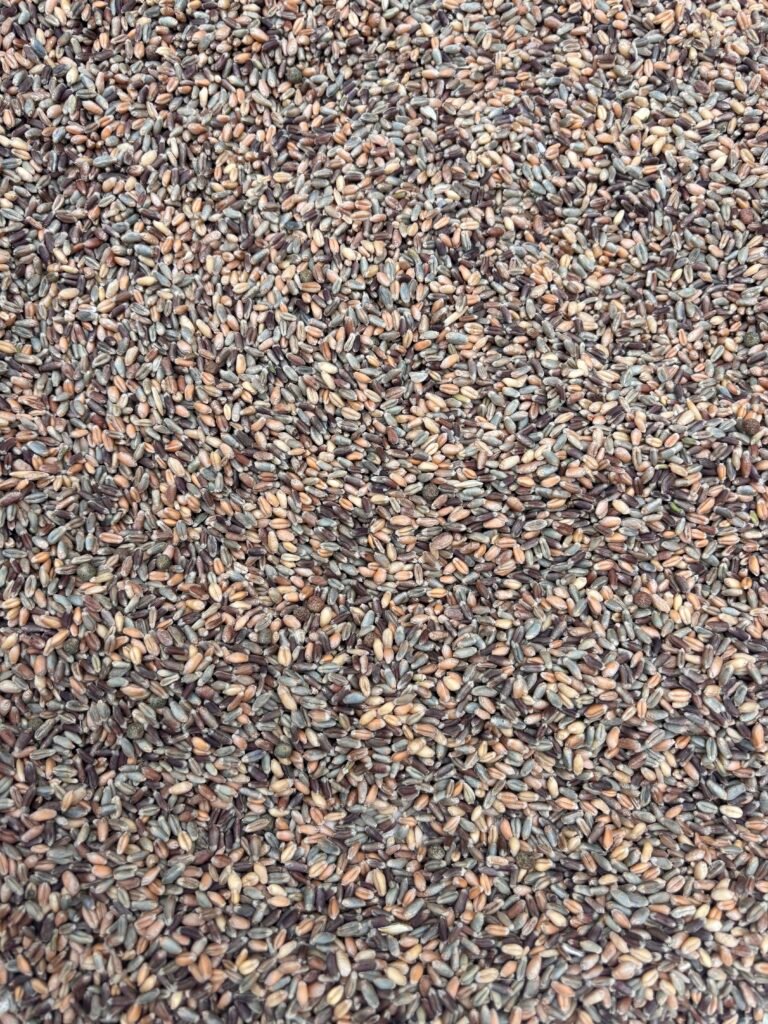
Black wheat is a variety of pigmented wheat Developed by NABI (National Agri-Food Biotechnology Institute) by crossing blue and purple wheat, it is approved by FSSAI for consumption. The black colour persistency is due to the pigment anthocyanin content present in the outer layer of wheat grain. Unlike refined white wheat, black wheat is typically stone-ground to preserve the bran and germ, where most nutrients reside.
Key Difference From Regular Wheat
- Higher bran retention
- Slower starch breakdown
- Lower gluten density compared to modern high-yield wheat
- Richer micronutrient profile
Nutritional Profile of Black Wheat Flour
Kala Gehu Atta offers a more balanced macronutrient and micronutrient composition:
1. Dietary Fiber
- Higher total fiber due to intact bran
- Supports gut motility and digestion
- Helps prolong satiety after meals
- Since fiber in wheat lives almost entirely in the bran, keeping that layer intact is what makes the biggest difference — see how that adds up against your daily target in our guide to fiber in the Indian diet
2. Protein Quality
- Comparable protein quantity to regular wheat
- Gluten structure is less elastic and less dense
- Often better tolerated by people sensitive to heavy wheat
3. Antioxidants (Anthocyanins)
- Help counter oxidative stress
- Support long-term metabolic health
- Rarely present in refined wheat flours
4. Minerals
- Iron, zinc, magnesium from bran and germ
- Important for energy metabolism and immunity
Understanding Gluten in Black Wheat
Gluten is not inherently harmful, but modern wheat breeding has increased gluten elasticity to improve baking performance. Black wheat differs because:
- Gluten is naturally present but less concentrated
- Lower elasticity means rotis feel lighter
- Reduced heaviness and bloating for many consumers
This makes black wheat suitable for households seeking to reduce gluten load without eliminating wheat entirely.
Benefits Of Black Wheat
Nutrient-Dense: Black wheat retains more of its natural bran and germ than refined wheat, which means more fibre, protein, and minerals carry through into your daily roti or paratha, without changing how you cook.
Supports Digestion and Steady Energy: The higher fibre content slows how quickly carbohydrates are broken down, which can help avoid the sharp energy spikes and crashes that come with more refined flours — and tends to keep you feeling fuller for longer.
A Gentler Option for Sensitive Digestion: Black wheat’s lower gluten density means many people find it easier to digest than regular high-gluten wheat. That said, it is not gluten-free, and anyone with coeliac disease or a diagnosed wheat allergy should continue to avoid wheat entirely and follow their doctor’s guidance.
Digestive Benefits of Black Wheat
Slower Carbohydrate Release
- Fibre slows glucose absorption
- Prevents rapid spikes and crashes
Improved Gut Comfort
- Supports beneficial gut bacteria
- Less fermentation-related discomfort
- Higher satiety leads to mindful eating
Black Wheat in Daily Indian Meals
Black wheat flour works seamlessly into Indian cooking:
- Soft rotis with earthy flavour
- Parathas that remain light
- Daliya-style preparations retain texture
Amratahaar ensures minimal processing so households experience the grain as close to its natural form as possible.
Why Amratahaar’s Black Wheat Is Different
- Sourced from small farming communities
- Stone-ground to preserve nutrients
- No bleaching or chemical treatment
- Clean-label, single-ingredient flour
Who Should Consider Black Wheat?
- Urban families seeking daily gluten-free digestive comfort
- Individuals who want to control blood sugar levels
- Those looking for fiber & anti-oxidant rich daily staples
Conclusion
Black wheat is not a substitute diet food—it is a nutritionally richer wheat that fits naturally into Indian meals.
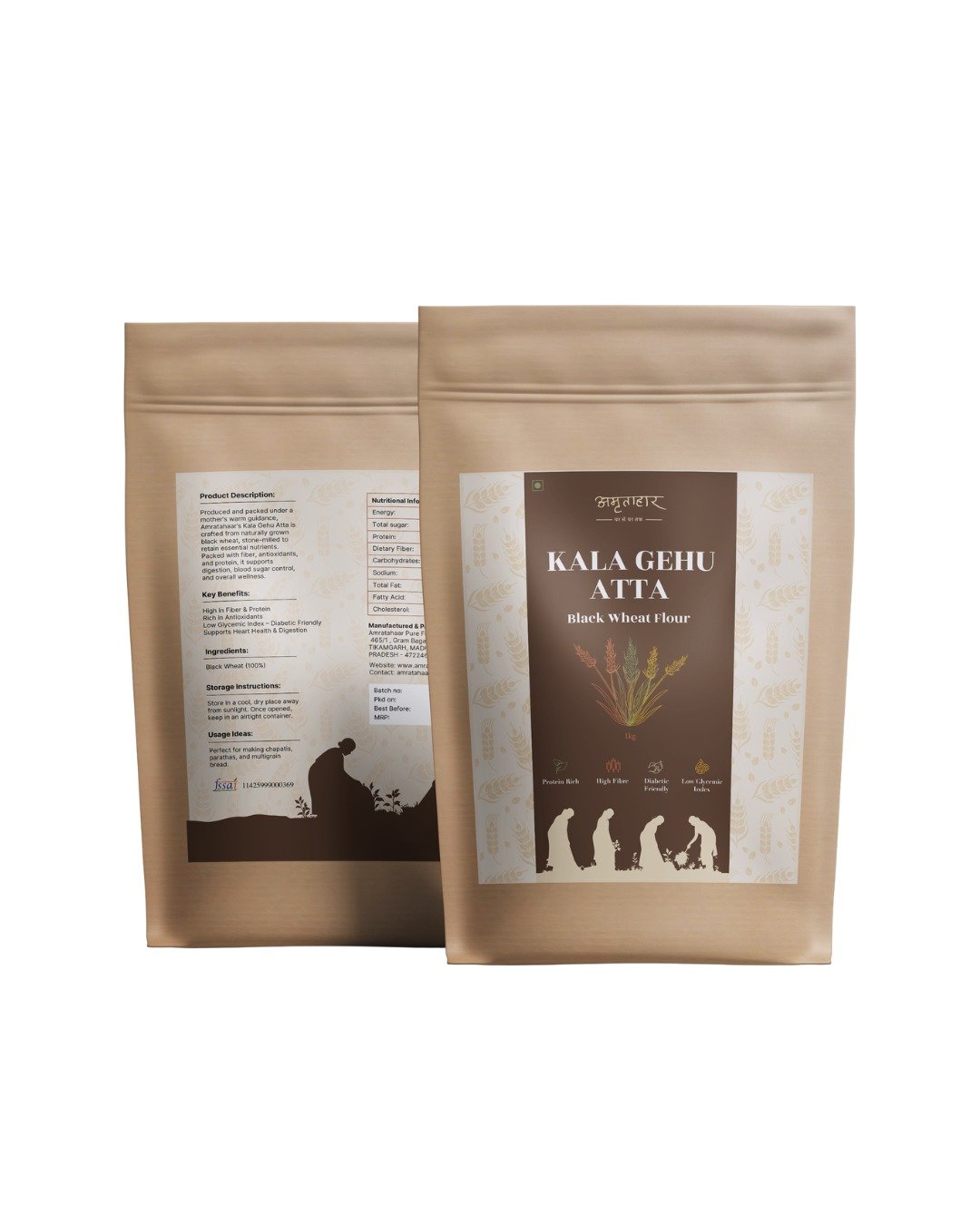
Amratahaar’s black wheat flour offers a thoughtful balance of fibre, antioxidants, and lower gluten density, making everyday rotis more nourishing and easier to digest.
Looking for more low-GI, blood-sugar-friendly staples? Explore our Diabetic-Friendly range →
FAQs
Is black wheat good for health?
Yes. Black wheat is a whole grain that provides fibre, protein and naturally occurring antioxidants..
Is black wheat good for diabetes?
Black wheat can be part of a balanced diet for people with diabetes, as it has a lower gluten percentage than regular wheat.
Is black wheat good for weight loss?
It can be included in a weight-loss diet, especially because whole-grain black wheat provides fibre. But no single wheat variety causes weight loss on its own.
Is black wheat flour gluten free?
No. Black wheat is still wheat, so its flour contains gluten.