Today, healthy eating is everywhere.
Supermarket aisles are filled with labels like organic, high-fibre, gluten-free, clean eating, and superfoods. Social media tells us what to eat, when to eat, and how to eat. Wellness has become an industry of its own.
But long before healthy eating became a trend, our mothers already understood something deeply important:
Food was never meant to just fill us. It was meant to nourish us.
At Amratahaar, this belief is at the heart of everything we do.
Growing up, we didn’t hear words like “mindful eating” or “sustainable food systems.” Yet, the food cooked in our home naturally followed these principles. Our mother and grandparents believed in food that was seasonal, minimally processed, grown with patience, and made with care.
And perhaps that’s why meals from childhood still feel unforgettable.
Food Was Simpler — And More Honest
Our mothers didn’t count calories.
They looked at the freshness.
They didn’t chase “superfoods.”
They trusted traditional grains and pulses that had nourished families for generations.
They understood that food grown in healthy soil carries a different kind of nourishment. They knew that slow-grown grains, stone-ground flour, and home-cooked meals were not old-fashioned — they were the foundation of good health.
In many Indian homes, meals once began with ingredients sourced locally, often directly from farms. The flour was freshly milled. Pulses carried their natural texture and aroma. Food wasn’t engineered for shelf life or appearance.
It was made for people.
Over time, convenience slowly replaced connection. Food became more processed, polished, and mass-produced. Many of us grew up believing that brighter, whiter, softer-looking food meant “better quality,” without realising how much natural goodness was being stripped away in the process.
And somewhere along the way, we lost touch with how real food was supposed to feel.
Our Mothers Understood the Value of Slow Food
Long before the world started talking about “slow living,” Indian mothers practiced slow food every day.
They soaked grains patiently.
Cooked meals from scratch.
Stored ingredients carefully.
Respected seasons and harvest cycles.
Nothing was rushed. Food carried time, effort, and intention.
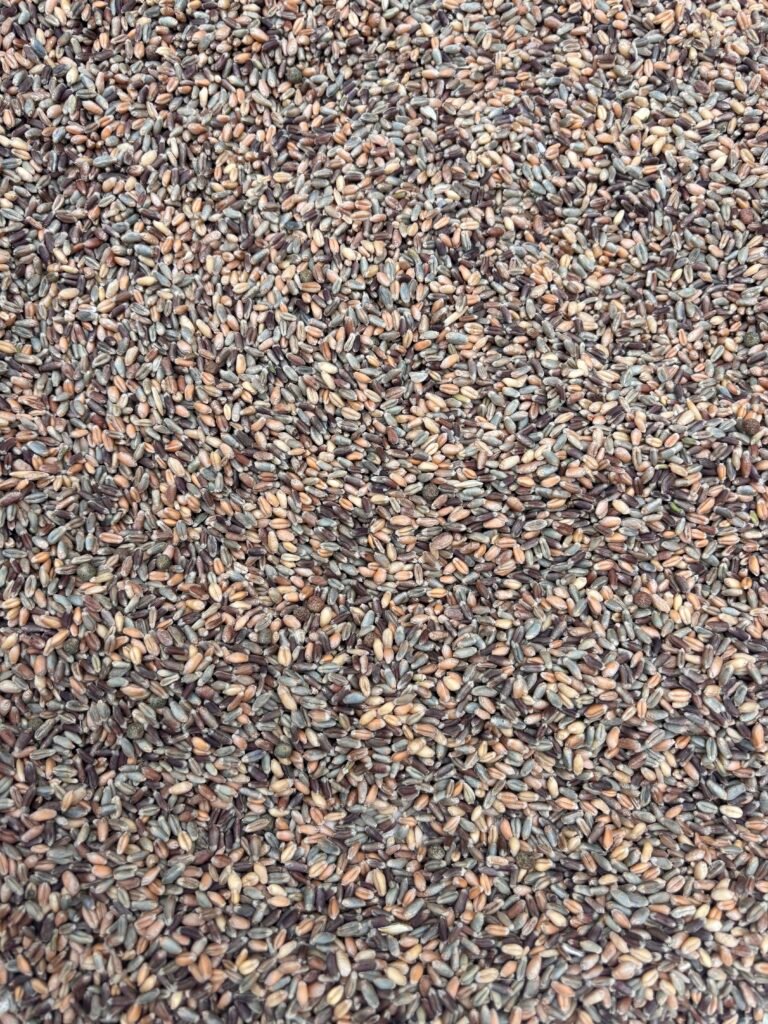
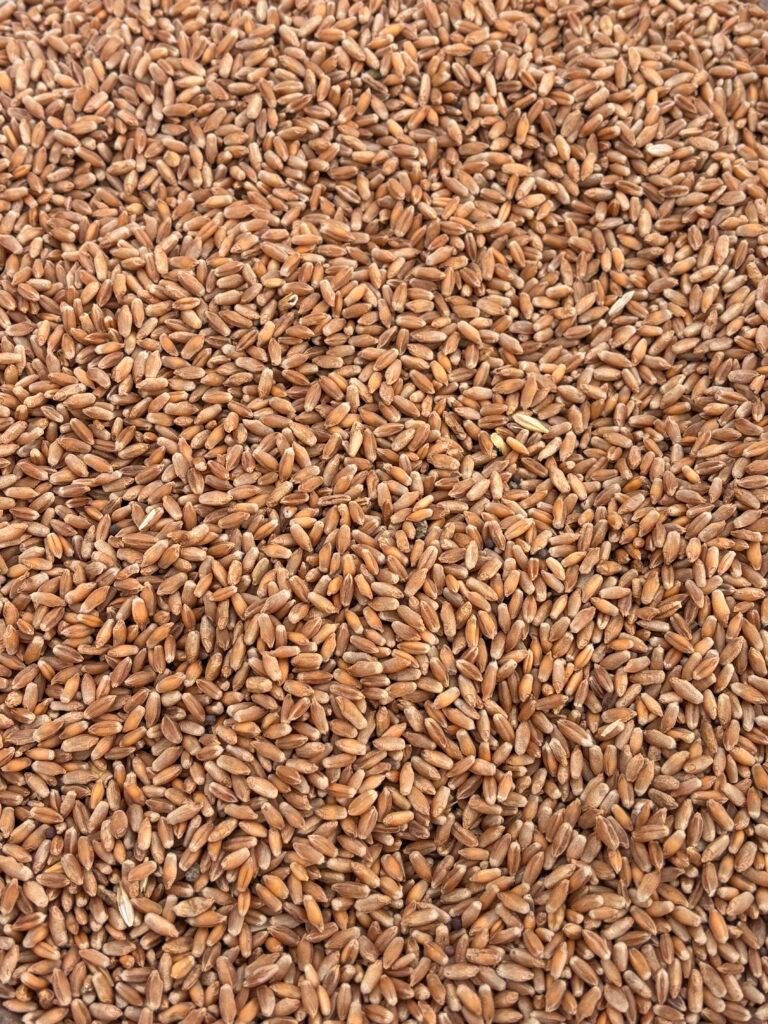
At Amratahaar, this philosophy continues to guide us. The grains and pulses we produce are grown on our own farms using traditional farming methods, without harmful chemicals or unnecessary shortcuts. The same flour and pulses served at our family table are the ones we bring to yours.
Because for us, pure food is not a marketing idea. It is simply how food should be.
Women Have Always Been the Silent Guardians of Nourishment
Across India, women have always played a powerful role in shaping how families eat.
They selected grains carefully.
Preserved traditional recipes.
Understood the balance between nourishment and taste.
And often carried generations of farming wisdom without ever calling it “nutrition science.”
Even in agriculture, women remain deeply involved in every stage of food production — from sowing and harvesting to cleaning, sorting, and storing grains. Today, women make up nearly 64% of India’s agricultural workforce, yet their contribution often remains invisible.
At Amratahaar, this reality feels deeply personal.
Our mother has spent decades overseeing every aspect of food with care — from crop cultivation to the final packaging. Her relationship with food has never been transactional. It comes from the understanding that what we eat every day quietly shapes our health, energy, and future.
And maybe that’s what made our mothers different. They never treated food casually.
Healthy Eating Was Once Rooted in Common Sense
Today, many people are trying to “return” to healthier lifestyles — switching to minimally processed foods, looking for chemical-free grains, and becoming more mindful about where their food comes from.
It is a return to what our mothers already knew.
That food should feel real.
Those ingredients matter.
That healthy soil creates healthy crops.
That nourishment cannot be rushed.
At Amratahaar, we believe healthy food does not need to be complicated. Sometimes, it simply means going back to food that is grown honestly and consumed the way nature intended.
The kind of food that reminds you of home.
Why This Matters More Today Than Ever
Modern lifestyles have made convenience unavoidable. Fast meals, processed ingredients, and heavily refined foods have become part of everyday life for many families, especially in cities.
But at the same time, more people are beginning to ask important questions:
Where does my food come from?
How is it grown?
What am I feeding my family every day?
These questions matter.
Because food is not just fuel. It becomes part of us.
At Amratahaar, our effort is simple — to bring back food that feels honest and nourishing. Food grown with respect for both people and the land. Food that does not rely on harmful chemicals, excessive processing, or shortcuts.
Not because it is trendy.
But because it is meaningful.
Returning to What Always Worked
Perhaps healthy eating was never about expensive diets or complicated routines.
Perhaps it was always hidden in the everyday wisdom of our mothers.
In warm rotis made from real grains.
In slow-cooked dals shared with family.
In the understanding that food made with care nourishes differently.
Because sometimes, the future of healthy food lies in remembering what our mothers quietly knew all along.
🌾 From our farms to your home — with honesty, tradition, and care.